Why DPDP Compliance in India Needs Continuous Security Testing
Key Takeaways: The Digital Personal Data Protection (DPDP) Act, 2023 requires data fiduciaries in its…
UAE Information Assurance Regulation Audit: What Businesses Should Prepare for in 2026 and Beyond
Key Takeaways: Information Assurance Regulation Audit UAE readiness helps identify controls and evidence gaps prior…
Cloud Security Audit for Indian Government Digital Initiatives: MeitY Empanelment Requirements
Key Takeaways: MeitY empanelment is how MeitY approves cloud service offerings for government use. As…
DPDP Consent Manager Framework: What Indian Businesses Must Prepare Before the 2026 Rollout
Key Takeaways: A consent manager under the DPDP Act, 2023 is an entity registered with…
Server Hardening for Indian FinTech Cloud Infrastructure: RBI Outsourcing and Data Localisation Rules
Key Takeaways: RBI doesn’t publish a single server hardening standard for every FinTech. Hardening gets…
Mobile Application Penetration Testing for Saudi Government Apps: CITC and NCA Security Standards
Key Takeaways: Mobile app penetration testing Saudi Arabia helps government entities identify client-side vulnerabilities and…
DevSecOps for Indian Government: Meeting CERT-In Audit Requirements
Key Takeaways: CERT-In’s guidelines for application security advise integrating security throughout the Software Development Life…

DIFC AI and Automated Processing Regulation: Full Enforcement Guide for Dubai Financial Firms
Key Takeaways: Regulation 10 of the DIFC Data Protection Regulations applies to any DIFC entity…
Black Box Penetration Testing for UAE Critical National Infrastructure: NCAP Pre-Accreditation Testing
Key Takeaways: Black box penetration testing examines critical systems from the perspective of an external…

Cyber Security Strategic Consulting for UAE Boards: Aligning Security Investment with the NCSS 2025–2031
Key Takeaways: The Cyber Security Strategic Consulting UAE programmes help organizations align their cybersecurity roadmaps…
Mobile Application Penetration Testing for Qatar Government Digital Services: NCSA- Aligned Security Assurance
Key Takeaways: Mobile Application Penetration Testing Qatar must cover the app, device storage, APIs, authentication…
Qatar Data Protection Law: Implementing PDPPL Data Subject Rights Processes for Businesses
Key Takeaways: The Qatar Data Protection Law (Law No. 13 of 2016) for Personal Data…

AI Governance for Indian Enterprises: Building Internal Controls Before Key DPDP Obligations Take Effect
Key Takeaways: The DPDP Act does not contain AI-specific provisions. Its requirements, however, apply in…
Cloud Security Audit for UAE Government Cloud Migration: NCAP and Security Requirements
Key Takeaways: A cloud security audit UAE helps government entities identify security, governance, configuration, access,…
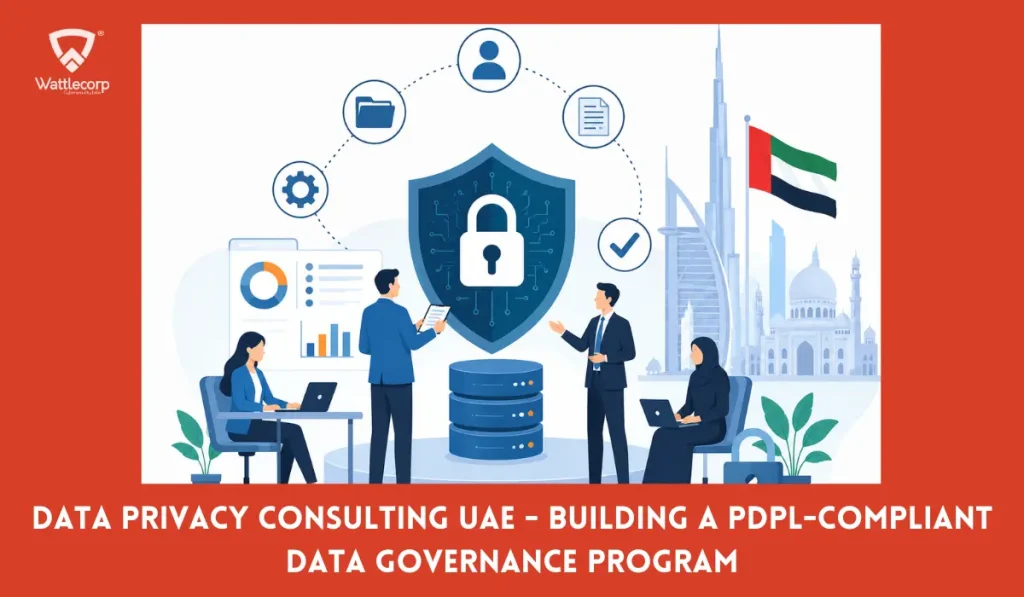
Data Privacy Consulting UAE – Building a PDPL-Compliant Data Governance Program
Key Takeaways: PDPL compliance requires ongoing operational governance that goes beyond policies to demonstrate how…
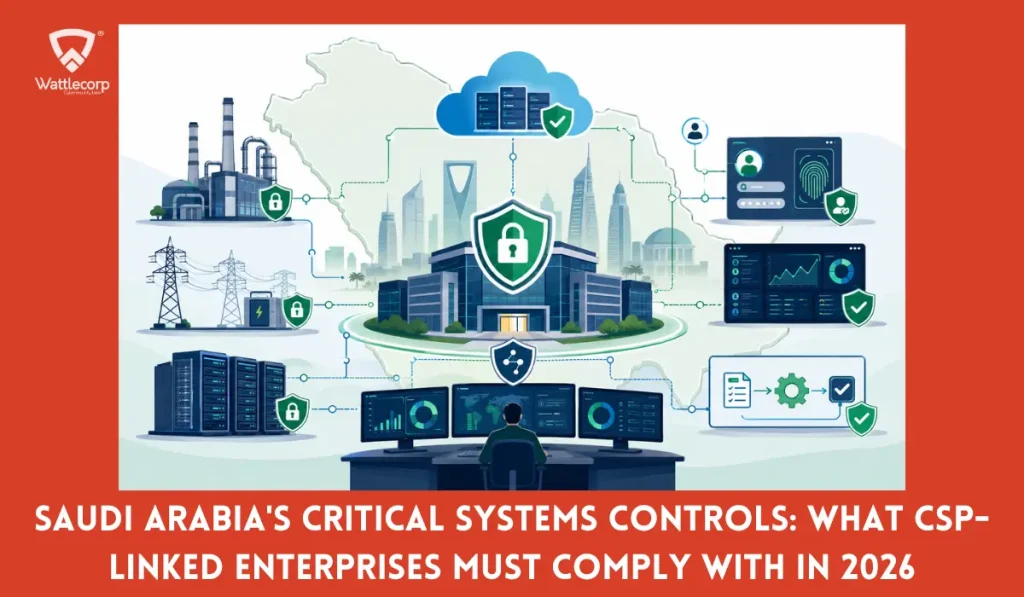
Saudi Arabia’s Critical Systems Controls: What CSP-Linked Enterprises Must Comply With in 2026
Key Takeaways: The Critical Systems Cybersecurity Controls (CSCC) are more applicable to critical systems than…
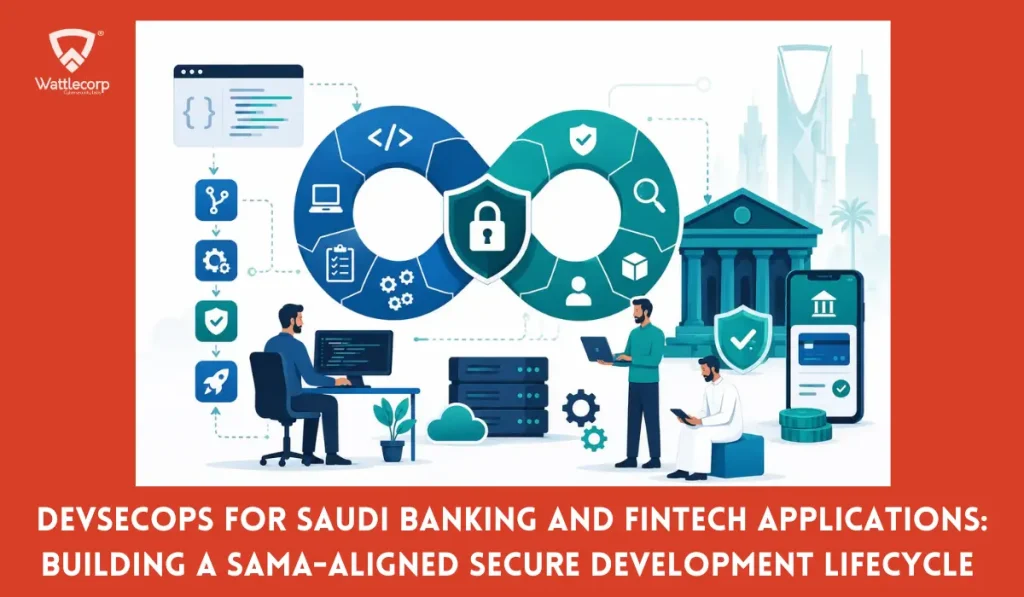
DevSecOps for Saudi Banking and FinTech Applications: Building a SAMA-Aligned Secure Development Lifecycle
Key Takeaways: DevSecOps Saudi Arabia for banks & FinTech enterprises doesn’t make security journey a…

Qatar Cybersecurity Boardroom Accountability: Why QCB and NCSA Now Expect Executive Ownership
Key Takeaways: Cybersecurity in Qatar is increasingly becoming an executive governance responsibility, with national cybersecurity…
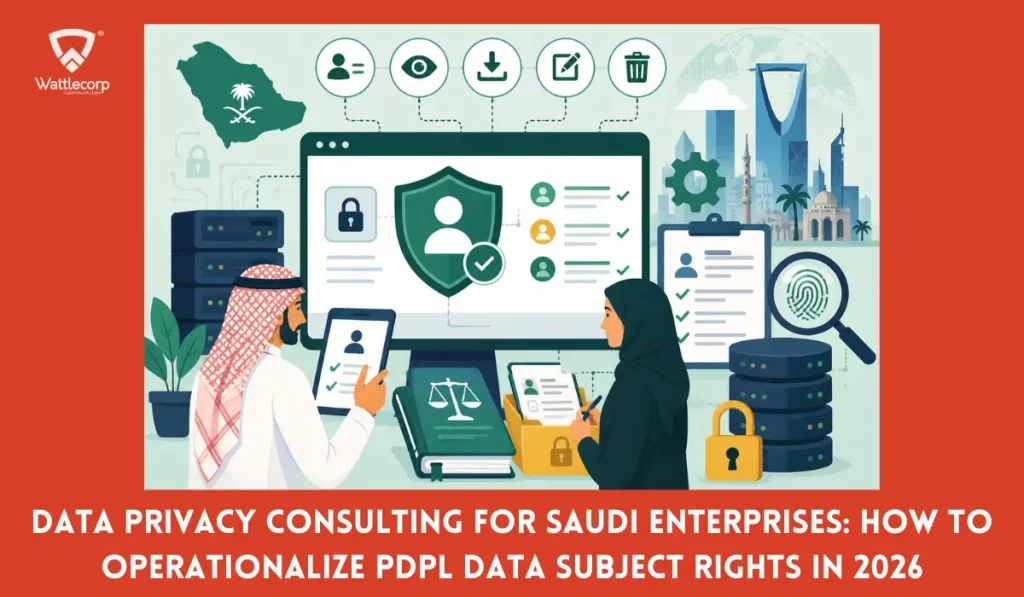
Data Privacy Consulting for Saudi Enterprises: How to Operationalize PDPL Data Subject Rights in 2026
Key Takeaways: The Saudi data protection law may apply to organizations outside the Kingdom when…

Third-Party Vendor Security Risk Assessment Under DPDP: A Guide for Indian Enterprises
Key Takeaways: Third-party vendor risk assessment with DPDP practices helps Indian enterprises to verify that…

Virtual CISO Services for UAE Free Zone Startups: Affordable Security Leadership for Growing Companies
Key Takeaways: Most startups already hold sensitive data such as customer info, source code, financials,…
SOC as a Service for Indian BFSI and FinTech Companies: 24/7 Monitoring for CERT-In Readiness
Key Takeaways: SOC as a Service for BFSI and FinTech India gives banks, NBFCs, insurers…
SOC as a Service in India: How It Works, Pricing, and Why Businesses Need It
Key Takeaways: SOC as a Service helps Indian businesses to get 24×7 security monitoring without…
Mobile App Security Testing for Indian Digital Lending Apps RBI, DPDP and API Risk Checklist
Key Takeaways: Mobile app security testing forms an important part of meeting RBI cybersecurity expectations,…
Cybersecurity Risk Assessment for Saudi Supply Chain Vendors Under Aramco and NCA Expectations
Key Takeaways: Cybersecurity risk assessment becomes a practical requirement for proving security maturity, with protecting…
Qatar Personal Data Privacy Compliance: Security Controls for Data Protection Readiness
Key Takeaways: Qatar’s Personal Data Privacy Protection Law applies to organizations that process personal data…
Azure Server Hardening for UAE Businesses: Securing Microsoft Cloud Against Misconfigurations
Key Takeaways: Azure server hardening UAE addresses the fundamental shared responsibility gap many organizations struggle…

Security Architecture Review for Saudi FinTech Platforms: Identity, API and Cloud Controls
Key Takeaways: Security architecture review determines that whether security enables or blocks your FinTech growth…
SOC 2 vs ISO 27001 in India: Which Compliance Framework Does Your SaaS Company Need in 2026
Key Takeaways: Choosing between SOC 2 and ISO 27001 isn’t just about getting a badge.…
AWS Server Hardening for UAE Enterprises: CIS Benchmark and UAE IA Compliance Guide
Key Takeaways: If you’re running a bank, fintech, healthcare provider, government contractor, or handling sensitive…
Compromise Assessment for UAE Enterprises: How to Find Out If You Have Already Been Breached
Key Takeaways: Compromise Assessment for UAE enterprises is an evidence-based investigation that determines whether attackers…
Why Indian SaaS Companies Are Losing US Enterprise Deals Without SOC 2 Type II
Key Takeaways: Type I is a starting point. Type II is the deal-maker. US enterprise…
Continuous Penetration Testing for UAE Enterprises: Moving Beyond Annual VAPT
Key Takeaways: Continuous Penetration Testing helps reduce high-risk testing gaps by providing recurring vulnerability validation…

DPDP Act vs GDPR: Key Differences Every CTO in India Must Know
Key Takeaways: GDPR compliance provides a baseline, but DPDP introduces India-specific obligations that require additional…

AI-Powered Cyberattacks in India 2026: What CISOs Need to Know Now
Key Takeaways: Generative AI has sharply accelerated the attacker’s advantage by making phishing, reconnaissance, and…

ISO 27001 Internal Audit for Saudi Companies: Preparing Evidence Before Certification
Key Takeaways: An ISO 27001 internal audit helps Saudi companies validate whether their Information Security…
Proactive Threat Hunting for UAE Enterprises: Finding Attackers Before They Strike
Key Takeaways: Proactive threat hunting is not the same as traditional monitoring. Monitoring waits for…
CERT-IN Empanelled VAPT: Why Indian Companies Should Choose CERT-IN Approved Firms in 2026
Key Takeaways: Running a VAPT with a CERT-In empanelled firm means your security testing is…
SOC 2 Type I vs Type II Timeline: How Long UAE Companies Actually Need
Key Takeaways: SOC 2 Type I vs Type II timelines differ and it is mostly…
AI Security Testing for US SaaS Platforms: NIST AI RMF and What 2026 Standards Require
Key Takeaways: AI security testing for SaaS platforms isn’t just a technical upgrade from traditional…
SOC 2 Compliance for DIFC and ADGM-Registered Companies: What’s Different?
Key Takeaways: SOC 2 isn’t a regulatory requirement in DIFC or ADGM but if you’re…
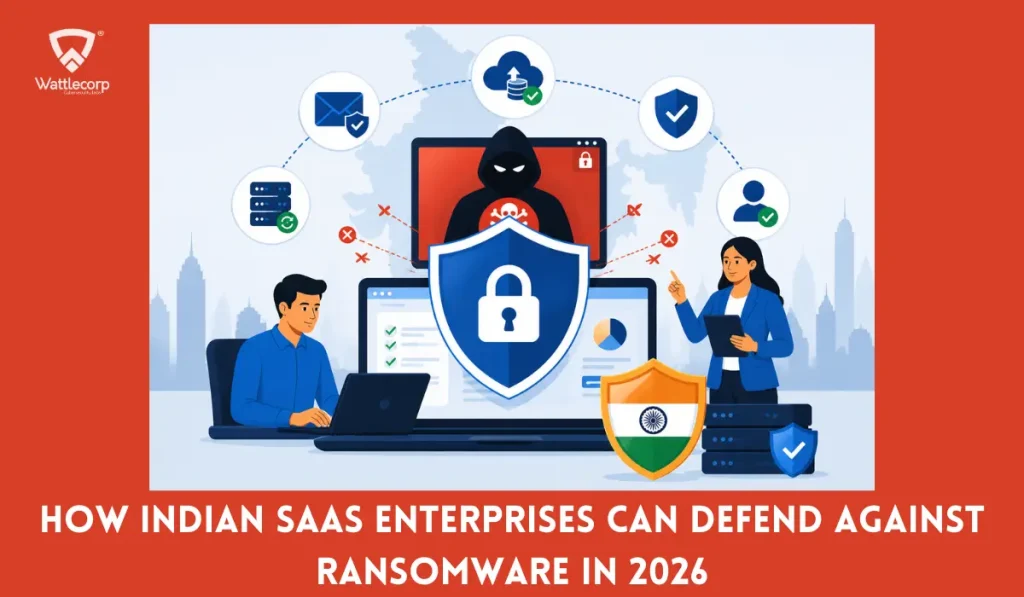
How Indian SaaS Enterprises Can Defend Against Ransomware in 2026
Key Takeaways: Ransomware defense for Indian enterprises in 2026 is identity-driven, which is not just…

AI Security Risks in Saudi Banking: What SAMA Expects from FinTech and Banks in 2026
Key Takeaways: AI Security Risks in Saudi Banking are expanding faster than most existing cybersecurity…

DIFC Data Protection Law Amendment Guide for Dubai Financial Firms
Key Takeaways: The DIFC data protection law amendment has raised compliance obligations significantly, firms relying…
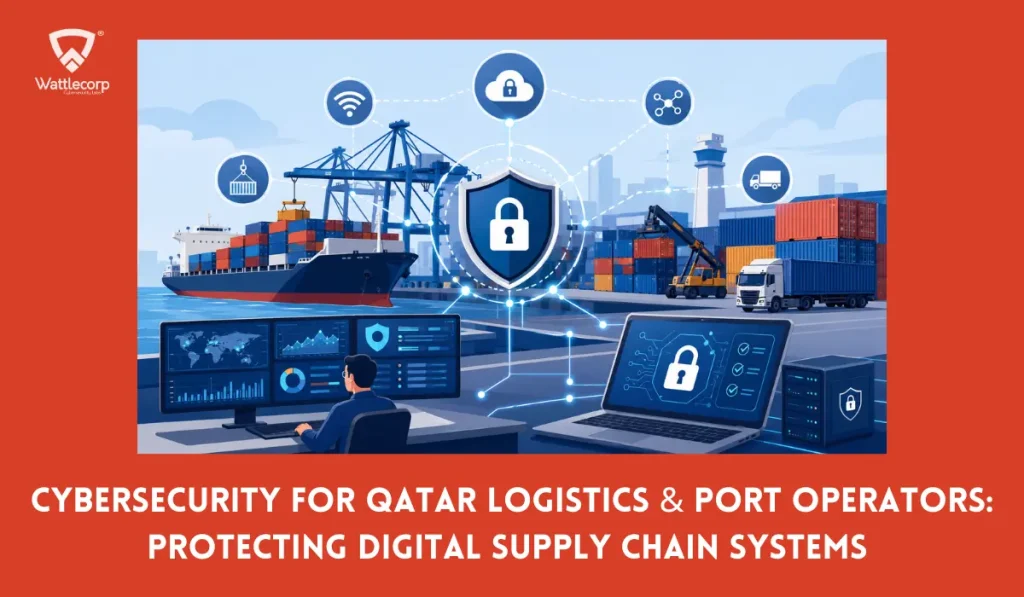
Cybersecurity for Qatar Logistics & Port Operators: Protecting Digital Supply Chain Systems
Key Takeaways: OT systems controlling cargo equipment and port infrastructure are often among the most…
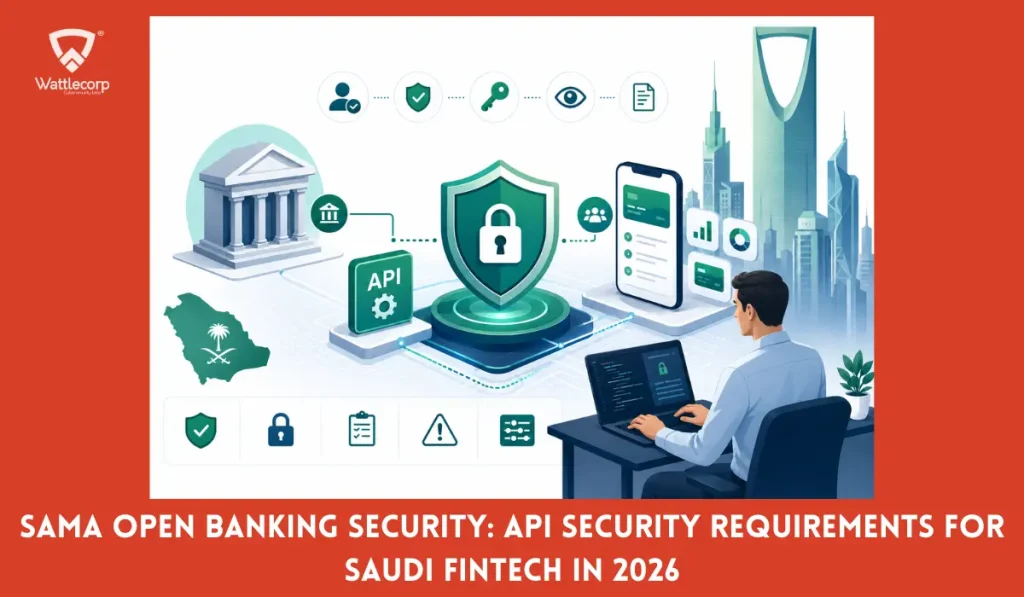
SAMA Open Banking Security: API Security Requirements for Saudi FinTech in 2026
Key Takeaways: SAMA Open Banking has moved beyond sandbox-supervised testing into a formal licensing regime…

Cyber Incident Response Planning for Saudi Enterprises: NCA and SAMA Requirements Explained
Key Takeaways: Cyber incident response in Saudi Arabia is a binding obligation under both the…
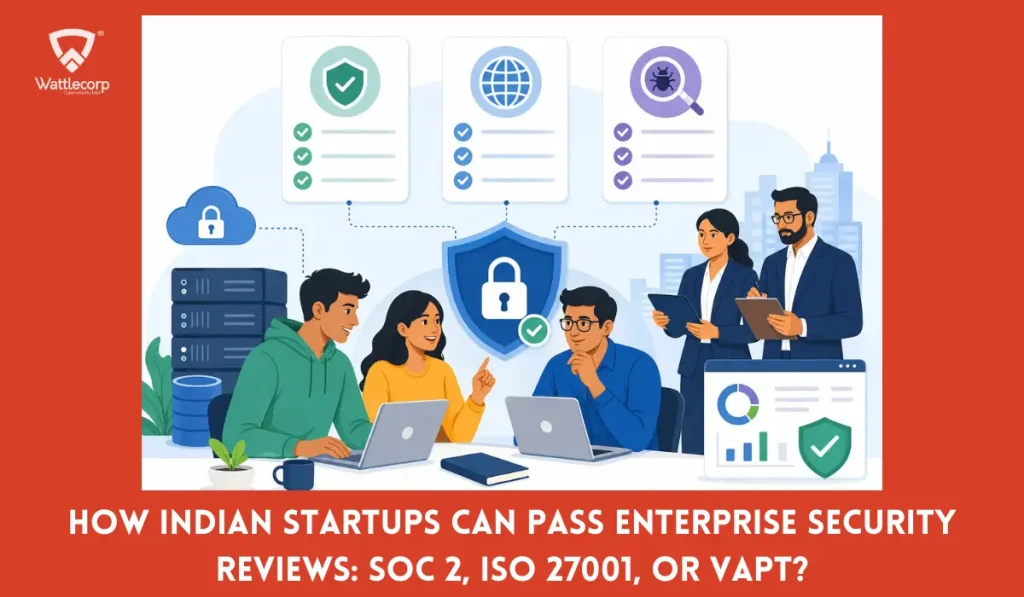
How Indian Startups Can Pass Enterprise Security Reviews: SOC 2, ISO 27001, or VAPT?
Key Takeaways: SOC 2 attestation needs understanding the five trust services criteria, Security, Availability, Privacy,…
UAE Cybersecurity Council Mandatory Resilience Framework 2026: What Every Enterprise Must Do
Key Takeaways: UAE cybersecurity mandatory resilience is no longer a back-office security project, it is…
Central Bank UAE Decree-Law No. 6 of 2025: Cybersecurity Obligations for Digital Banks and FinTech
Key Takeaways: UAE Decree-Law No. 6 (2025) translates cybersecurity from a suggested best practice into…
MSSP vs In-House Security in India: What Makes Sense for Companies After the 2026 Conflict
Key Takeaways: Most Indian mid-sized companies underestimate the true cost of an in-house SOC because…
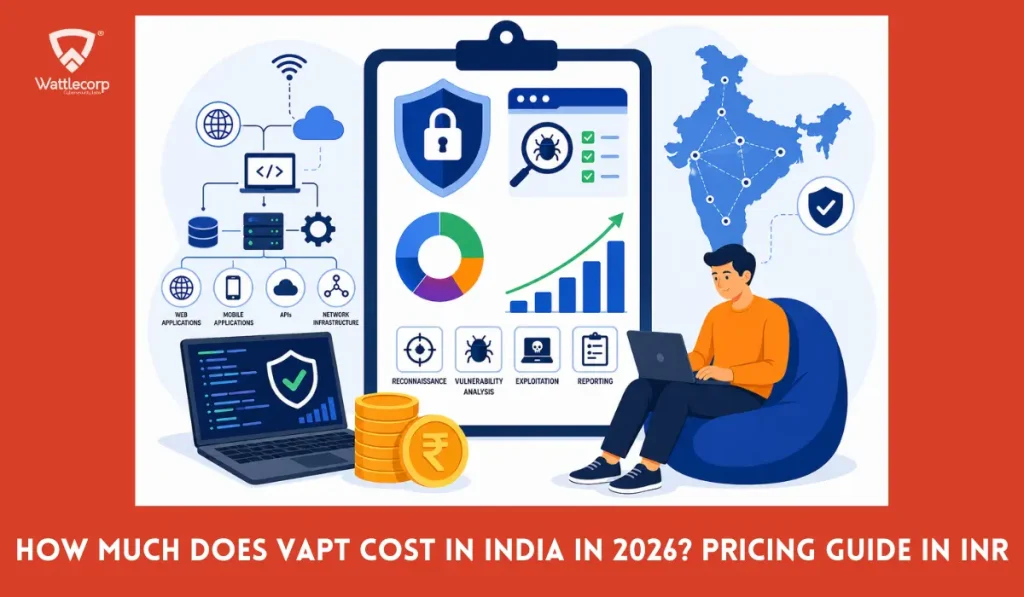
How Much Does VAPT Cost in India in 2026? Pricing Guide in INR
Key Takeaways: The three significant factors that shape the VAPT cost in India are scope,…
How Saudi Enterprises Can Build Cyber Resilience Against Nation-State Attacks in 2026
Key Takeaways: Sectors that fall under energy, finance, telecom, and government sectors are the highest-risk…

ISO 27001 Certification Cost in India: What Businesses Should Expect in 2026
Key Takeaways: Most businesses in India underestimate ISO 27001 certification cost by only planning for…
How Qatar Companies Can Protect Against Nation-State Cyber Threats in 2026
Key Takeaways: Nation state actors operate with government budgets and long timelines. They are designed…

Vercel Security Breach 2026: What Happened, Risks, and What Businesses Must Do Now
Key Takeaways: Unauthorized Access Confirmed by Vercel publicly, acknowledging a security incident in April 2026. Services…
AI Security Testing for US SaaS Platforms: What 2026 Standards Require
Key Takeaways: AI security is no longer something you bolt on after a deal is…
DPO (Data Protection Officer) vs Consent Manager: What India’s DPDP Act Actually Requires
Key Takeaways: A DPO and a Consent Manager are not two names for the same…
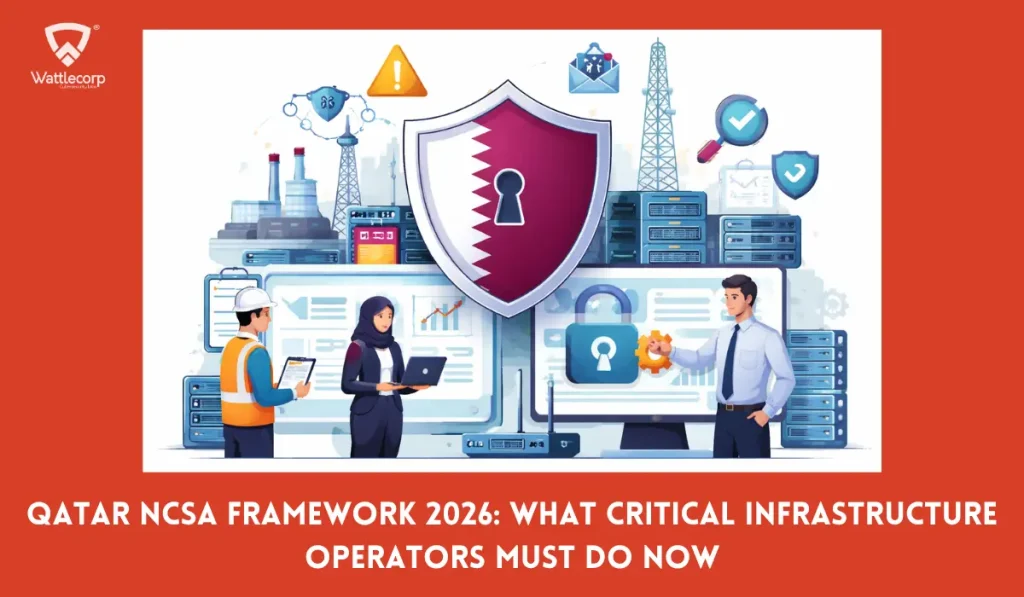
Qatar NCSA Framework 2026: What Critical Infrastructure Operators Must Do Now
Key Takeaways: The Qatar NCSA framework in 2026 has moved beyond documentation, critical infrastructure operators…
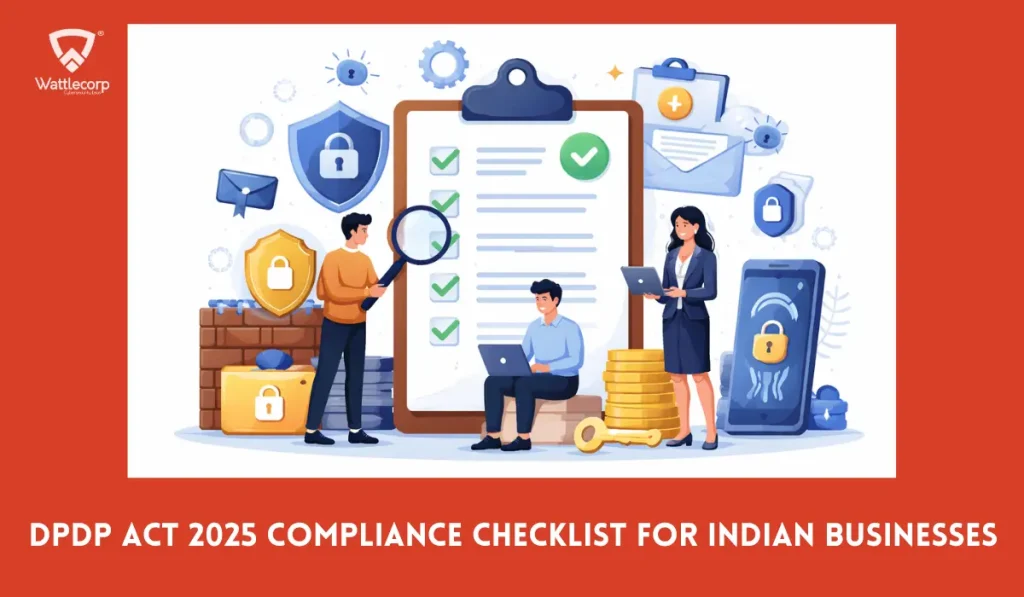
DPDP Act 2025 Compliance Checklist for Indian Businesses
Key Takeaways: The DPDP Rules were notified on 13 November 2025 and the Data Protection…
All articles loaded
No more articles to load