


Azure Server Hardening for UAE Businesses: Securing Microsoft Cloud Against Misconfigurations
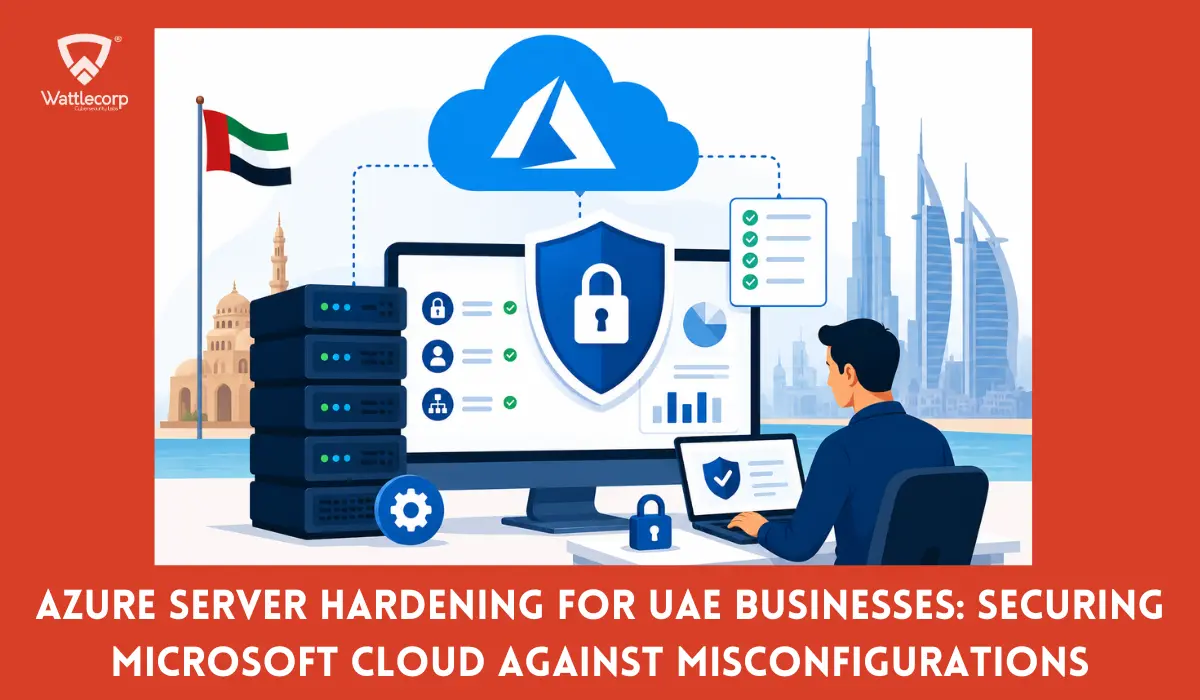
Key Takeaways:
- Azure server hardening UAE addresses the fundamental shared responsibility gap many organizations struggle with where Microsoft secures the cloud platform itself, but your organization must secure everything running on it, from configurations to identities to access controls.
- When Azure misconfigurations go unnoticed, they don’t quietly sit there. They actively create exploitable pathways, which compromise business continuity, expose customer data, and leave you vulnerable to regulatory penalties that could derail growth initiatives in UAE enterprises.
- CIS Azure Security Benchmark standards combined with UAE Information Assurance requirements provide the roadmap for Azure server hardening UAE implementation, but the real challenge isn’t knowing these standards, it’s consistently applying and validating them across dynamic cloud environments.
- Configuration drift sneaks up on organizations. Once your Azure server hardening UAE controls are in place, you need continuous monitoring and regular reviews to catch the changes that shift security posture without anyone realizing it’s happened.
- Azure server hardening UAE works best as a broader security strategy, which includes VAPT services in UAE because the hardened configurations alone don’t explain you whether attackers can still find alternative pathways into your systems.
Microsoft Azure has become the backbone of the digital transformation across UAE enterprises. Rapid cloud adoption often outpaces the security governance maturity, which creating dangerous gaps in the configuration management that many organizations don’t even realize exist.
Azure server hardening UAE is not just a technical checklist; it is the essential security discipline that helps to prevents misconfigurations from exposing your business-critical systems to unauthorized access, data compromise, and lateral movement attacks that could affect operations.
Learn how organizations across the UAE can implement the enterprise-grade Azure server hardening UAE controls aligned with the international security benchmarks and the regulatory expectations that your business faces locally.
Azure server hardening UAE addresses something fundamental, the cloud shared responsibility principle where Microsoft secures the infrastructure, but your organization remains accountable for securing configurations, identities, and access controls.
The real difference between secure cloud architecture and secure cloud operations often determines whether the Azure becomes a growth enabler or a source of preventable security incidents. Azure server hardening UAE frameworks systematize this operational discipline, transforming reactive firefighting into proactive, measurable risk governance.
Understanding Azure Server Hardening Within UAE Business Context
Think of Azure server hardening UAE as creating a security perimeter around your cloud infrastructure, it encompasses systematic reduction of attack surfaces across virtual machines, network configurations, identity controls, and monitoring capabilities.
For organizations that operating within UAE jurisdictions, unique requirements around information assurance, data residency, and cybersecurity governance that directly influence how you approach hardening strategy.
The regulatory landscape across the UAE increasingly demands strong evidence that organizations have implemented security controls and monitoring what matters. Azure server hardening UAE practices provide evidence of documentation and configuration required for regulatory compliance, audit readiness, and cyber insurance validation.
Core Components of Azure Server Hardening UAE Implementation
Virtual Machine Configuration Hardening
Azure server hardening UAE requires standardized baseline configurations that helps to prevent unnecessary services, unnecessary ports, and unnecessary administrative access from running by default.
The CIS Microsoft Azure Foundations Benchmark provides internationally recognized baseline security standards, that can adapt to your specific needs and UAE regulatory environment.
Also Read : AWS Server Hardening for UAE Enterprises: CIS Benchmark and UAE IA Compliance Guide
Virtual machines handling customer data, payment processing, or regulatory-sensitive information demand particularly rigorous hardening. Azure server hardening UAE ensures each virtual machine operates with minimum necessary privileges and services, nothing more, nothing less.
Network Security and Access Control
Network security groups are where many organizations leave the door wide open. Azure server hardening UAE identifies and eliminates overly permissive rules that allow internet-facing access to administrative protocols like Remote Desktop Protocol (RDP) and Secure Shell (SSH). We regularly see organizations discovering that their management interfaces are internet-exposed during secure configuration reviews.
Also Read : Network Security Testing: Understanding Types, Tools, and Techniques
Many Azure server hardening UAE assessments reveal that internet-exposed management interfaces require immediate remediation. These aren’t theoretical vulnerabilities; attackers actively scan for exactly these misconfigurations and closing them should be a priority.
Identity and Access Management Hardening
Your Azure Active Directory configuration directly impacts whether Azure server hardening UAE investments work. Multi-factor authentication enforcement, conditional access policies, and privileged access management controls represent the identity side of hardening that often gets overlooked.
Excessive administrative privileges create pathways, which attackers exploit following initial compromise. Azure server hardening UAE helps to reduces privilege scope through role-based access control implementation and regular privilege access reviews, ensuring that administrators only have access to what they actually need.
Encryption and Data Protection Controls
Azure server hardening UAE includes enforcement of encryption controls across the data at rest and data in transit. Managed disk encryption, storage account encryption, and key management practices that assists to prevent unauthorized data exposure that could result from misconfiguration.
Database and storage resource hardening ensures Azure server hardening UAE encompasses all systems handling sensitive information. Configuration baselines should require encryption for sensitive data in accordance with regulatory obligations, organizational policies, and workload requirements.
Continuous Monitoring and Configuration Review Processes
Azure server hardening UAE cannot operate as one-time assessment activity because the cloud environments change constantly with configurations drift and new risks emerge. Continuous monitoring and periodic configuration reviews helps to identify and remediate the configuration drift that undermines your security posture over time.
Automated monitoring tools helps to alert security teams when configuration changes affect Azure server hardening UAE control effectiveness. And the manual reviews complement automation by identifying subtle misconfigurations that detection systems might miss.
Establish review cycles for Azure server hardening UAE validation including:
- Monthly configuration drift detection catching changes quickly
- Quarterly privilege access reviews ensuring least privilege remains enforced
- Semi-annual baseline compliance assessments validating standards alignment
- Annual comprehensive hardening audits performing complete assessments
This organised approach ensures that the effectiveness of Azure server hardening UAE controls is maintained through changes in the architecture and growing security requirements.
Business Impact Hardening of Azure Server UAE Implementation
Effective Azure server hardening UAE programs provide real business advantages, not just less security incidents. Mature hardening strategies by organisations increase consumer trust by communicating their security posture transparently, which is increasingly impacting purchase decisions.
A growing number of enterprise customers want to see security questionnaire answers that show Azure server hardening UAE deployment before doing business with suppliers. Mature hardening programs allow you to move deals faster and have a competitive advantage in client acquisition, i.e. make yourself more desirable to business customers.
When analysing their organisational risk profiles, cyber insurance providers consider the controls to Azure server hardening UAE. Organisations with well-developed hardening plans often get better insurance terms and coverage, often drastically decreasing expenses.
Building a Resilient Azure Security Posture in the UAE
Server hardening in Azure UAE is a must-have security discipline for organisations that managing Microsoft Cloud infrastructure in the UAE business settings. Wattlecorp offers enterprise-grade Azure Server Hardening UAE evaluations with remedial guidance, and continuous monitoring services to help meet organisational compliance.
Organisations that want to learn more about how Azure hardening may improve their security posture can find additional information on the dedicated Azure server hardening services site. Professional assessment and implementation help accelerates the maturity of your hardening program and ensures it aligns with industry benchmarks.
Ongoing commitment to configuration governance, monitoring effectiveness and security team knowledge development will be required to continuously improve the Azure server hardening UAE program. Organisations that take a methodical approach to hardening will get better security results and generate the kind of customer and stakeholder confidence that cloud security requires today.
Azure Server Hardening UAE FAQs
1. What is Azure server hardening for UAE businesses?
2. Why do Azure misconfigurations create security risks for UAE companies?
3. Which benchmarks should UAE businesses use for Azure server hardening?
4. How does Azure server harden support UAE IA and cloud security expectations?
5. When should businesses combine Azure hardening with VAPT services in UAE?

 Azure Server Hardening for UAE Businesses: Securing Microsoft Cloud Against Misconfigurations
Key Takeaways: Azure server hardening UAE addresses the fundamental shared responsibility gap many organizations struggle with where Microsoft secures the cloud platform itself, but your organization must secure everything running on it, from configurations to identities to access controls. When Azure misconfigurations go unnoticed, they don’t quietly sit there. They actively create exploitable pathways, which […]
 Security Architecture Review for Saudi FinTech Platforms: Identity, API and Cloud Controls
Key Takeaways: Security architecture review determines that whether security enables or blocks your FinTech growth in Saudi Arabia. It focuses on the differences between confidently saying yes to new partners versus constantly hitting the security roadblocks. Your security tools only work if they’re connected. Identity systems, API gateways, and cloud controls need to feed into […]
 SOC 2 vs ISO 27001 in India: Which Compliance Framework Does Your SaaS Company Need in 2026
Key Takeaways: Choosing between SOC 2 and ISO 27001 isn’t just about getting a badge. It directly impacts your sales pitch, how customers trust you, and whether you can crack enterprise markets globally. SOC 2 is your quick win if you’re selling to US customers. Most enterprise buyers won’t even look at you without it. […]
 AWS Server Hardening for UAE Enterprises: CIS Benchmark and UAE IA Compliance Guide
Key Takeaways: If you’re running a bank, fintech, healthcare provider, government contractor, or handling sensitive data in the UAE, AWS server hardening is critical for both security and compliance readiness. You’re responsible for your own security. AWS protects their infrastructure, but you must secure everything running on it: your EC2 instances, user permissions, network access, […]
 Compromise Assessment for UAE Enterprises: How to Find Out If You Have Already Been Breached
Key Takeaways: Compromise Assessment for UAE enterprises is an evidence-based investigation that determines whether attackers have already accessed your systems, replacing assumptions with documented proof of what happened in your infrastructure. Hidden compromise costs more to remediate the longer it remains undetected, making early investigation critical for minimizing financial impact, regulatory exposure, and customer trust […]
 Why Indian SaaS Companies Are Losing US Enterprise Deals Without SOC 2 Type II
Key Takeaways: Type I is a starting point. Type II is the deal-maker. US enterprise procurement teams do not settle for a point-in-time audit when vendor risk is on the line. Operational evidence is non-negotiable. Continuous controls, not just documented policies, are what Fortune 500 legal and compliance teams demand before signing contracts. SOC 2 […]