


Hardening your Azure Cloud Server in the UAE
Azure cloud server hardening made easy-peacy for UAE businesses
What is Azure cloud server
Azure, a cloud computing platform from Microsoft, offers a variety of services to businesses, government agencies, and public entities across the UAE that need to build and run applications on the internet.
They provide services including storage, networking, analytics, virtual computing, Platform as a Service (PaaS), Software as a Service (SaaS), and Infrastructure as a Service (IaaS).
It was previously known as Microsoft Azure and helps organizations and developers in Dubai, Abu Dhabi, and Sharjah to access and manage cloud services and resources, which include the storage and transformation of data from one to another, based on specific business requirements.

Benefits of Hardening Azure Cloud Server
Even though Azure is more secure than on-premise computing solutions, Azure is still vulnerable to a variety of vulnerabilities such as access toke abuse and leakage, lateral movement from compromised workloads, and server-side request forgery aka SSRF.
These vulnerabilities allow a bad actor to perform a variety of attacks including access token server-side application abuse, altering the internal resources, and data extortion to external sources.
Conducting a comprehensive Azure cloud server hardening for UAE businesses with a proper in-depth cybersecurity strategy would help prevent and mitigate the attacks, ensuring your applications are safe from vulnerabilities. This also helps prevent DDoS attacks, ensures compliance with UAE standards and regulations (PDPL, NESA, ISO 27001), and improves resource utilization optimization across various costs and technologies.


Identity and Access Management (IAM)
Strong authentication and role-based access controls (RBAC) will be implemented along with enforcing the least privilege principles towards preventing unauthorized access to the resources in the Azure environment for UAE businesses.

Network Security Groups (NSGs)
The inbound and outbound traffic will be configured in the NSGs, at the network level. Restriction to unnecessary communications also shall be defined and applied.

Azure Security Center
Efficient threat detection, VA/PT, and intelligent security insights shall be implemented by implementing the Azure security center.

Patch Management and System updates
Listen to People
We help companies to protect their online assets.
Checkout our Services
F.A.Q
We have something for everyone, including pricing and answers.
Tip • Book a consultation to get personalised recommendations.
How much do Azure Cloud Security Services cost in the UAE?
Pricing depends on the complexity of your Azure environment, number of subscriptions, and compliance requirements under UAE laws like PDPL and NESA. Get a customized quote from our cloud experts in Dubai.
What are the key security threats to my Azure cloud environment in the UAE?
Threats like SSRF, token abuse, and misconfigured access controls are major risks. Our UAE-specific hardening services identify, mitigate, and continuously monitor these threats to secure your Azure environment.
— One more step —
Protect Now !
All you need to do is fill the form below.
Recommended Cybersecurity Services
Officially recommended by Hackers.

AWS Server Hardening
We secure your AWS servers by applying best practices and configurations to protect against vulnerabilities and attacks.

GCP Server hardening
Our experts harden your Google Cloud servers, enhancing security and reducing the risk of unauthorized access.

Cloud Security Assessment
We assess your cloud environment to identify security gaps and provide recommendations to strengthen your overall cloud security.
Cloud Configuration Review
Our team reviews your cloud configurations to ensure they are optimized and secure, protecting your data and applications from potential risks
Recent Articles
stay up to date with recent news.
-
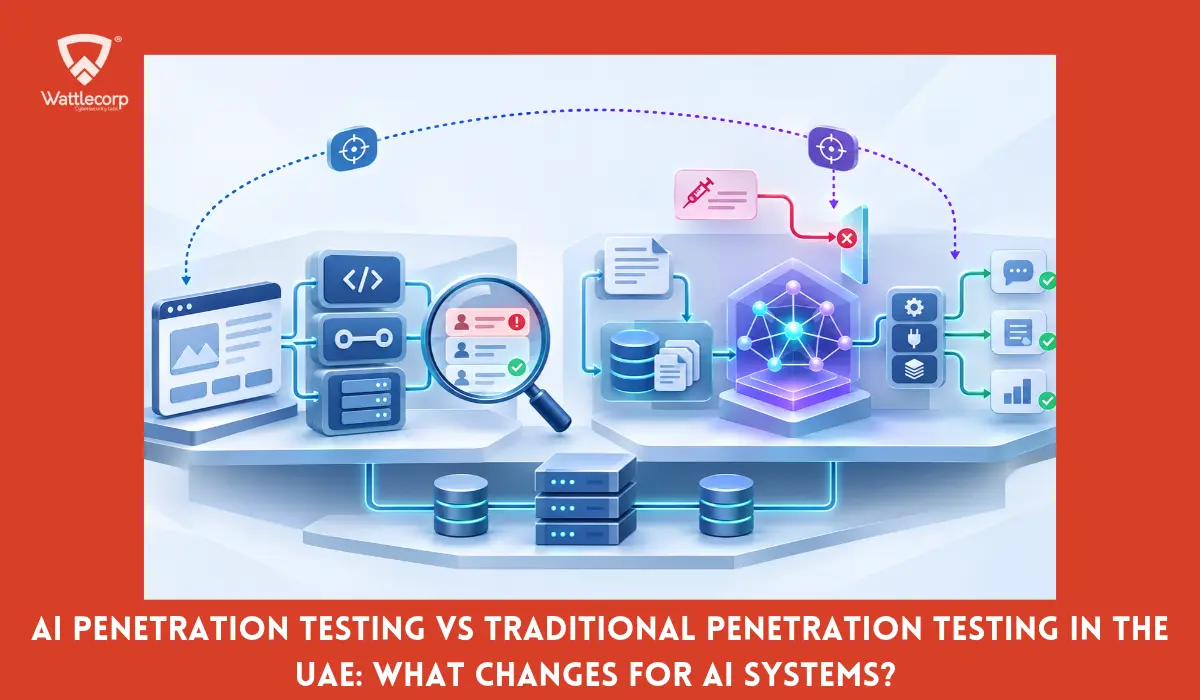
AI Penetration Testing vs Traditional Penetration Testing in the UAE: What Changes for AI Systems?
Key Takeaways: AI penetration testing adds model behaviour, data exposure, and tool misuse to security assessment scope. Traditional testing remains necessary for networks, applications, APIs, and cloud infrastructure. Training data and retrieved documents can introduce security risks. Reports should record configuration, repeated attempts, and business impact. Retest before launch and after changes affecting security boundaries.…
-
Cybersecurity Risk Assessment vs VAPT in Qatar: What’s the Difference?
Key Takeaways: Risk assessments evaluate business exposure across people, processes, and technology. VAPT identifies weaknesses and validates exploitable attack paths within an agreed scope. A risk register supports ownership, treatment decisions, and management oversight. Qatar compliance requirements depend on the applicable standards, sector, and contractual obligations. Test results should update risk ratings and remediation priorities.…
-
Threat Hunting vs SOC Monitoring in India: What’s the Difference?
Key Takeaways: Monitoring is alert-driven. It reacts, around the clock, to what your rules and tools flag. Hunting is hypothesis-driven. An analyst assumes an attacker already got past those rules and searches for the evidence. Both run on largely the same data and tools. What changes is the question asked of that data. The Indian…
-
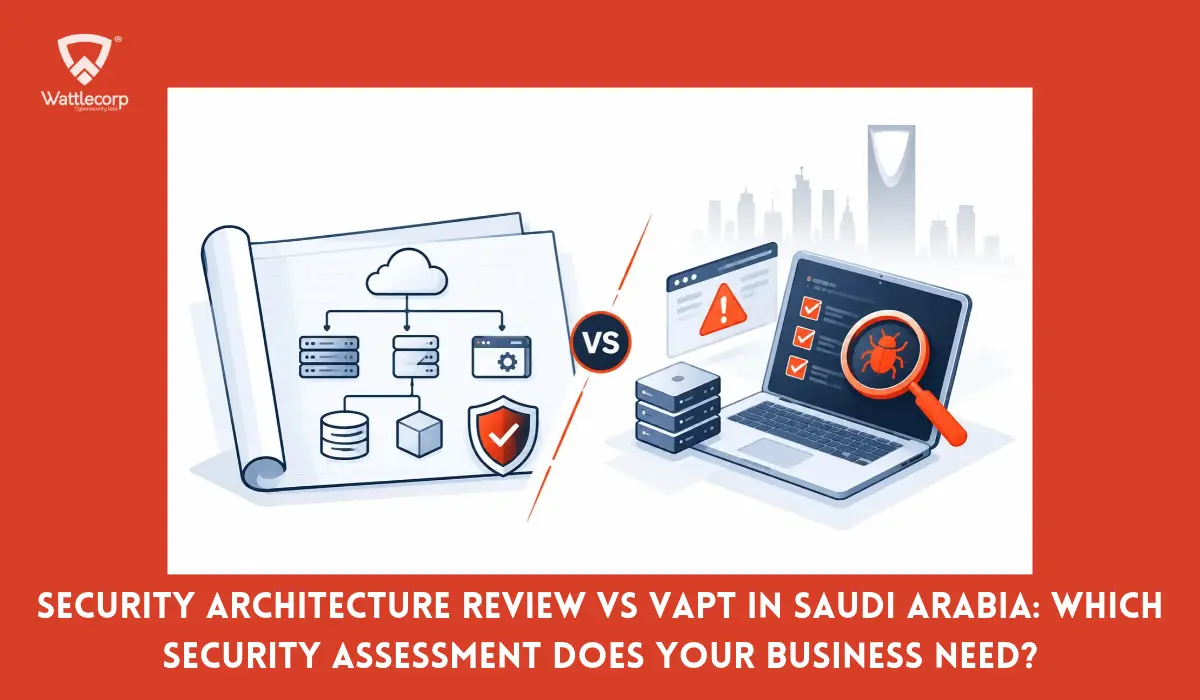
Security Architecture Review vs VAPT in Saudi Arabia: Which Security Assessment Does Your Business Need?
Key Takeaways: A security architecture review assesses security design; VAPT evaluates, validates, and prioritises weaknesses in implemented systems. Both support risk decisions, but neither replaces the other. Review new designs early and test implementations before launch. Match assessment scope to business exposure and applicable Saudi requirements. Request actionable findings, remediation ownership, and appropriate verification. One…
