

What is Deepfake? How Deepfake Works ?
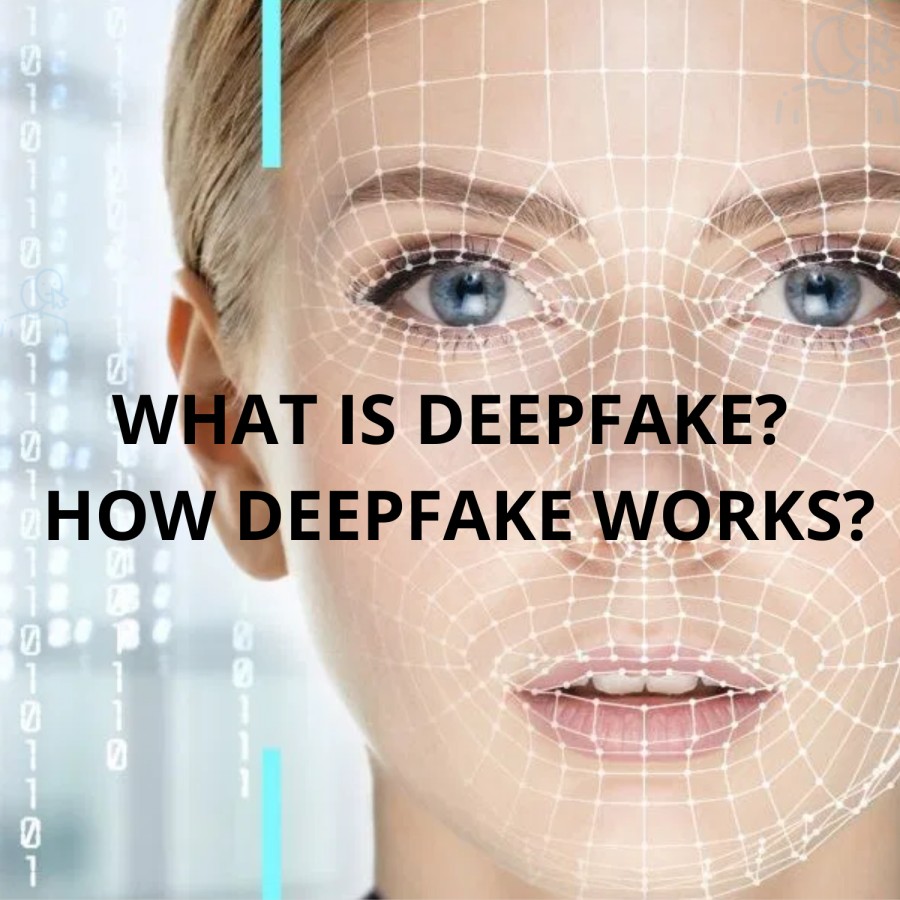
Technology has come a long way since its inception. Especially the way it deals with the generation and manipulation of new and existing content. From setting filters and tweaking the nature of a photograph to make it more aesthetic to playing around with a video to feature the presence of someone else who isn’t in the video by exchanging it for someone who is, it is actually quite impressive. The technology that I mentioned is called deepfake. Let us look at what deepfake is.
What Is Deepfake?
Deepfake is a technology that is used to impersonate people with a high level of accuracy. Used mainly in video content, it is difficult to distinguish from real ones. The authenticity of deepfakes has gotten better over time.
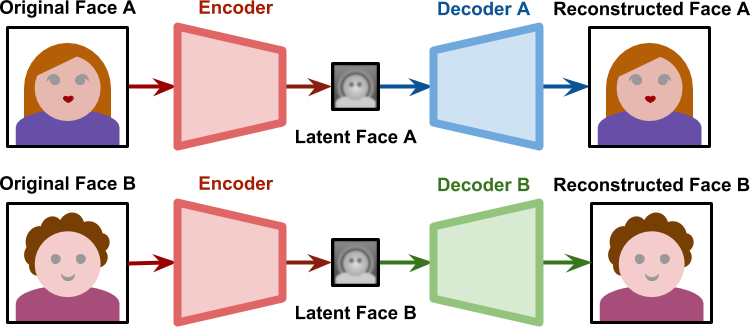 Researchers predict that there will be a time when it’ll be almost impossible to differentiate between deepfake videos and actual ones. Deepfakes basically is the cloning of people onto a body double in a manner that synchronizes the subject’s face with the actions and dialogue done by the double. It involves a lot of data points to cultivate to pull a proper deepfake.
Read More: Understanding Blueleaks
How does Deepfake Work?
 Deepfakes use Artificial Intelligence to obtain the various data points found in the pictures used to get the cloned face. Since the videos need the cloned face to have perfect synchronization with the body double, a lot of images are needed. Images or videos that have the subject’s face in different lighting, angles, and emotions are used for the creation of deepfakes. Deepfakes are made using an open-source application called DeepFaceLab. DeepFaceLab uses Artificial Intelligence to cultivate the data as mentioned earlier. These data points are then compiled to create a face that can be synchronized with the body double in the next video.
Read More: WhatsApp Pink Scam: How Clicking On A Link Gets Your Phone Hacked
Malicious Use of Deepfakes
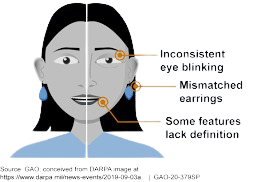
Reports on deepfakes state that around 96% of deepfakes on the internet are nonconsensual pornographic content. This might seem like deepfakes affect the only 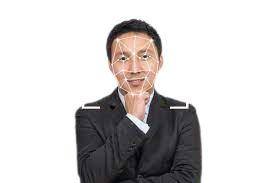 omen, but deepfakes can enable all kinds of bullying and extortion. It can evolve into schools and workspaces where deepfakes put the alleged victim into ridiculous, dangerous, or even compromising kind of scenarios. Deepfakes have the chance to eat into a corporation by scamming through unrecognized deepfakes. There’ve also been reports of deepfake audios used for cyber extortion. Another misuse of deepfakes is the creation of fake identity cards and sources of other kinds of cybercrime. But apart from all these, the biggest way that one can use deepfake is for extortion. The problem that arises with such an ambiguous aura surrounding deepfakes is the biggest danger for deepfakes. With such videos that seem authentic to the everyday user, it is close to impossible to deny any allegation that could be created using deepfake. On the other hand, it is also a getaway for actual criminals because they can claim that the evidence was made up of deepfakes. This causes an ethically viable cyber confusion that allows criminals to walk free despite whatever they do.
Interested to learn more about other kinds of cybercrime? Follow our blog to keep yourself updated with the latest trends in cybersecurity.
Contributors: Adithya Amarnath

 Cyber Security Strategic Consulting for UAE Boards: Aligning Security Investment with the NCSS 2025–2031
Key Takeaways: The Cyber Security Strategic Consulting UAE programmes help organizations align their cybersecurity roadmaps with the five NCSS pillars, namely governance, protection, innovation, establishing and building, and partnership. Boards should connect cybersecurity spending to material business risks, critical services, regulatory duties, and measurable resilience outcomes. Cyber security strategic consulting UAE programmes translate national direction […]
 Mobile Application Penetration Testing for Qatar Government Digital Services: NCSA- Aligned Security Assurance
Key Takeaways: Mobile Application Penetration Testing Qatar must cover the app, device storage, APIs, authentication and third-party components. Qatar’s NCSA assurance environment combines the National Information Assurance (NIA) Standard, the National Information Security Compliance Framework (NISCF) and accredited security assessment services. OWASP MASVS defines mobile security controls, while MASTG supplies practical test methods for Android […]
 Qatar Data Protection Law: Implementing PDPPL Data Subject Rights Processes for Businesses
Key Takeaways: The Qatar Data Protection Law (Law No. 13 of 2016) for Personal Data Privacy Protection, grants individuals specific rights such as right to access, correct, erase, object, withdraw consent, and right to be notified of processing or inaccurate disclosure. Beyond having a privacy policy, businesses or controllers, under Article 11 of Personal Data […]
 AI Governance for Indian Enterprises: Building Internal Controls Before Key DPDP Obligations Take Effect
Key Takeaways: The DPDP Act does not contain AI-specific provisions. Its requirements, however, apply in situations when an AI system processes digital personal data within its territorial and material scope. India is working on building a broader governance framework around safety, accountability, transparency and trust via programs like the IndiaAI Mission. Indian organizations should inventory […]
 Cloud Security Audit for UAE Government Cloud Migration: NCAP and Security Requirements
Key Takeaways: A cloud security audit UAE helps government entities identify security, governance, configuration, access, data-protection and resilience gaps, before and after shifting critical workloads to the cloud. UAE National Cloud Security Policy has defined cloud governance, data security, data sovereignty, IAM, incident management, resilience, portability and cloud operations requirements. The National Cyber Accreditation Program […]
 Data Privacy Consulting UAE – Building a PDPL-Compliant Data Governance Program
Key Takeaways: PDPL compliance requires ongoing operational governance that goes beyond policies to demonstrate how personal data is collected, used, protected, transferred, retained, and deleted. Data mapping helps businesses move from reactive compliance to proactive risk management by establishing a comprehensive inventory of the data ecosystem, helping build a mature data privacy and governance program. […]