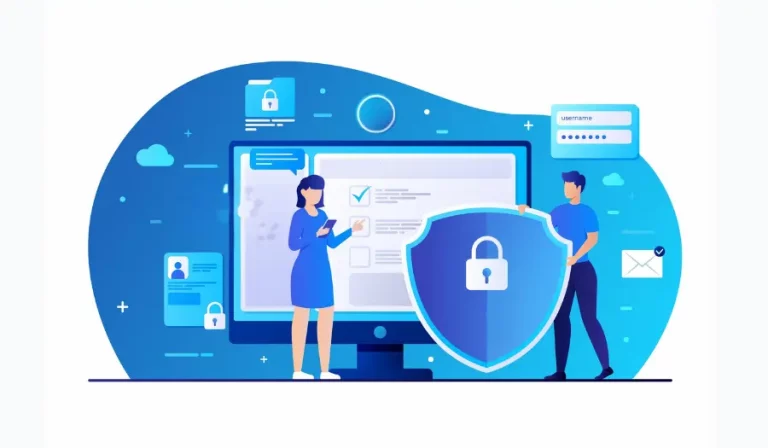


The Role of Penetration Testing in Protecting Expanding Businesses

We have all heard the phrase Information is power, in today’s data-centric era, you can’t even fathom the depth of these words. As every business today consumes, extracts, and manipulates data, it has become more valuable than ever before. To protect the data you have means protecting your business.
To give you a proper idea of the depth of the issue: as per an IBM report of 2023, the average data breach has reached INR 179 million. Boeing, a global leader in defense and space contracting, was disclosed on the internet by a cybercriminal group. This group operates by pilfering and exposing data, threatening to continue unless a ransom is paid.
Businesses looking to expand become most vulnerable to cyber threats during their scaling stage. Complex cyber threats arise as new data points emerge and new resources are being added. The scaling process needs an airtight security plan from the POV of a hacker. That’s why we have a penetration test. If done right, the test identifies the strengths and weaknesses of your company’s defenses.
Read on to discover the role of cyber security penetration testing while expanding businesses and the importance of penetration testing.
What is penetration testing?
What is the best way to know where you are vulnerable? By conducting a (cyber)attack with your permission. That’s the essence of a penetration test. Known by many names like pen testing or ethical hacking, the crux of the process is that they probe your defenses to uncover real vulnerabilities before somebody with malicious intent finds them.

The realistic assessment of your company’s cybersecurity prowess undergoes a security drill in the broader security audit of pen testing. Mimicking real-world hacker tactics, looking for ways to breach your system (or specific parts) with phishing emails, identifying unsecured access points, or even simulating malware installation.
Are you curious about the steps that go into pen testing? Check out this link
Why is penetration testing important?
The importance of penetration testing lies in its unique perspective. The hacker’s vantage point unveils vulnerabilities that internal teams tend to miss. 69% of organizations believe their anti can’t provide security and want a stop-loss solution.
Most companies place their bets on automated scanners. While they are efficient in finding vulnerabilities and security misconfigurations, some vulnerabilities will be missed without manual tests.
For example:
- Business Logic Flaws
- Chain Attacks
- IDOR Flaw
- Zero-day Exploits
- DOM-based XSS
Standard scanners, while efficient, lack the nuance to detect intricate vulnerabilities. These complex flaws, such as business logic weaknesses and zero-day exploits, require the human element. Certified penetration testers, with their unconventional thinking and specialized skill sets, act as the missing piece, uncovering these hidden threats.
Penetration tests give you the following heads-start advantage:
Seize the first-mover advantage
Critical vulnerabilities take a significant amount of time (<100 days) to be patched after discovery. Pen testing gives you the proactive approach to identify and fix these issues before they are exploited. Significantly reducing your cyber risk by giving you a crucial head start.
Understand the true threat
Gain a deeper understanding of the threat rather than just a peripheral understanding with pen testing. How :
- Target areas
- Weaknesses of the system
- Depth of the issue
- Data loss capabilities
- Security holes
- Allocate resources for targeted mitigation strategies
Trusted security experts like Wattlecorp not only pinpoint security holes but also demonstrate how attackers might exploit them in real-world scenarios.
Actionable insights
The role of penetration testing is a proactive approach to security that extends beyond detection. After a pen test, you’ll receive a detailed report with actionable recommendations and insights. These insights guide you towards effective risk mitigation strategies, ultimately strengthening your overall security posture and ensuring your systems are better prepared to defend against evolving cyber threats.
How Often Should You Pen Test?
Think of penetration testing as a regular exercise program for your cybersecurity. While annual testing is a good starting point, best practices recommend more frequent checks, particularly when:

- Your infrastructure or applications undergo significant upgrades.
- Major security patches are applied (to ensure they haven’t introduced new vulnerabilities).
- User policies or access controls are modified.
- You expand your physical or digital footprint (e.g., opening new offices or launching new online services).
By incorporating pen testing into your security strategy, you proactively identify and address weaknesses, making it far more difficult for real hackers to gain a foothold in your systems.
Benefits of penetration testing for businesses
Penetration testing, far from being a destructive exercise, offers a proactive approach to safeguarding your software product. Techniques like web app penetration testing help businesses identify vulnerabilities in applications and prevent potential cyberattacks. Among the numerous benefits, the notable ones are:
Building Trust and Reputations
The benefits of penetration testing extend far beyond enhanced security. It fosters trust and bolsters your reputation. Once vulnerabilities are identified and addressed, pen testing becomes even more valuable. Regular tests ensure new security measures are effective and highlight any potential security gaps that might have emerged.
Cybersecurity Compliance Made Easy
Certain industries, like healthcare and financial services, require adherence to strict compliance standards like HIPAA, SOC2, and PCI DSS. Pen testing helps ensure your product meets these regulations, establishing credibility and strengthening your defenses against cyber threats.
Scaling for the Future
For future growth, frequent testing is an inevitability. It paves the way to scale with confidence. It safeguards your reputation and prevents costly remediation efforts down the line. This demonstrates why continuous security testing matters for businesses in India, helping enterprises safeguard their operations, build customer trust, and adapt to the unique cybersecurity challenges of a diverse and evolving market.
Driving Growth Through Security
Frequent pen testing provides concrete evidence of your company’s dedication to security, making you more attractive to investors, partners, and customers.
Cost-Effective Security
Security breaches can have far-reaching financial consequences, not to mention reputational damage. In the long run, you save a lot by pen testing. Over 88% of organizations have experienced security breaches. This alarming statistic indicates that nearly nine out of ten companies have been hacked.
Building Customer Trust
Data breaches can erode customer trust in an instant. Penetration testing demonstrates a clear commitment to safeguarding customer information through proactive security measures. This builds strong customer trust, assuring them you handle sensitive data responsibly. It fosters a long-term reputation of reliability and positions your business for continued success.
A Holistic Approach to Platform Security
Platform security is a vital part of product development and most people overlook it. Penetration tests do not. It identifies errors, bugs, and vulnerabilities in your IT infrastructure and applications before they wreak havoc in your system. Ensuring a fool-proof security protocol strengthens your overall security posture.
Penetration Testing Tools
Mandatory Advisory: These powerful tools should only be used by authorized security professionals with proper training and permission. The use of these technologies for malicious intentions is unethical and illegal.

Effective pen tests require tools with powerful capabilities and pen testers or security professionals rely on them for utmost efficient results. For each specific function, there is a tool.
Let’s look at a breakdown of some common penetration testing tools:
1. Network Scanners
Tools like Nmap and Nessus help map your network infrastructure, identify active devices and services, and scan for known vulnerabilities in operating systems and applications.
2. Vulnerability Scanners
Acunetix and OpenVAS go beyond network discovery, delving deeper into their weaknesses in code, configuration issues, and outdated software.
3. Password Crackers
Example: John the Ripper and Hashcat simulate brute-force attacks, attempting to crack weak passwords.
4. Web Application Security Scanners
Softwares like Burp Suite and OWASP ZAP are specifically designed to scan web applications for vulnerabilities like SQL injection and cross-site scripting (XSS).
5. Exploitation Tools
Tools like Metasploit provide a library of exploits that can be used to gain unauthorized access to systems or escalate privileges.
6. Packet Analyzers
A great tool like Wireshark allows you to capture and analyze network traffic and is helpful in identifying suspicious activity, such as data exfiltration attempts or malware communication.
7. Social Engineering Tools
Tools like the Social-Engineer Toolkit (SET) can be used to simulate phishing attacks or other social engineering techniques.
A recent market survey on the Network Penetration Testing Service Market projects the network penetration testing service market to achieve a Compound Annual Growth Rate (CAGR) of 4.7%, reaching a value of US$604.6 million by 2032.
Cybersecurity is no longer an option; it’s a necessity. If you are looking to scale, the role of penetration testing in expanding your business becomes a key factor. The attack surface grows, making you a bigger target for cyber threats. Businesses have acknowledged the need for penetration testing for a proactive approach.
What are you waiting for? After all, safeguarding your critical systems and data is always a priority.
Penetration testing is an investment. Proactive security checks should become normal in this tech-centric world. For safe and stable growth pen testing is necessary.
Remember, penetration testing is not a one-time fix. As your business evolves, so should your security strategy. Regular pen testing is essential for maintaining a robust security posture and staying ahead of cyber threats.

 Data Privacy Consulting for Saudi Enterprises: How to Operationalize PDPL Data Subject Rights in 2026
Key Takeaways: The Saudi data protection law may apply to organizations outside the Kingdom when they process personal data related to individuals in Saudi Arabia, meaning geographic location alone does not automatically exclude an organization from PDPL obligations. PDPL data subject rights span access, correction, deletion, and consent withdrawal, and enterprises are on the hook […]
 Third-Party Vendor Security Risk Assessment Under DPDP: A Guide for Indian Enterprises
Key Takeaways: Third-party vendor risk assessment with DPDP practices helps Indian enterprises to verify that external partners handle personal data with adequate safeguards. The Digital Personal Data Protection Act holds data fiduciaries accountable for vendor conduct, which makes due diligence a legal and operational necessity. A structured vendor security questionnaire, covering encryption, access control, and […]
 Virtual CISO Services for UAE Free Zone Startups: Affordable Security Leadership for Growing Companies
Key Takeaways: Most startups already hold sensitive data such as customer info, source code, financials, long before they feel big enough to take security seriously, and that’s exactly when the risk starts. A virtual CISO gets you someone who’s done this before, setting up strategy and guiding compliance, without the cost of putting a full-time […]
 SOC as a Service for Indian BFSI and FinTech Companies: 24/7 Monitoring for CERT-In Readiness
Key Takeaways: SOC as a Service for BFSI and FinTech India gives banks, NBFCs, insurers and digital lenders continuous security visibility without the cost and hiring effort of building an in-house operations centre. CERT-In directions require regulated entities to report qualifying cyber incidents within six hours of detection, and implementing SOC for BFSI and FinTech […]
 SOC as a Service in India: How It Works, Pricing, and Why Businesses Need It
Key Takeaways: SOC as a Service helps Indian businesses to get 24×7 security monitoring without huge cost and complexity of building a full in-house security operations center. A managed SOC check and analyse beyond basic log monitoring, which combining SIEM, threat intelligence, analyst-led alert triage, incident escalation, reporting, and security response support. SOC as a […]
 Mobile App Security Testing for Indian Digital Lending Apps RBI, DPDP and API Risk Checklist
Key Takeaways: Mobile app security testing forms an important part of meeting RBI cybersecurity expectations, secure application development practices, and periodic security assessment requirements for digital lending platforms. APIs in lending apps are constantly under attack. Broken object-level authorization, data leaking where it shouldn’t, weak token validation, and missing rate limiting, these aren’t edge cases, […]