

10 Email Security Best Practices: Safeguard Your Emails
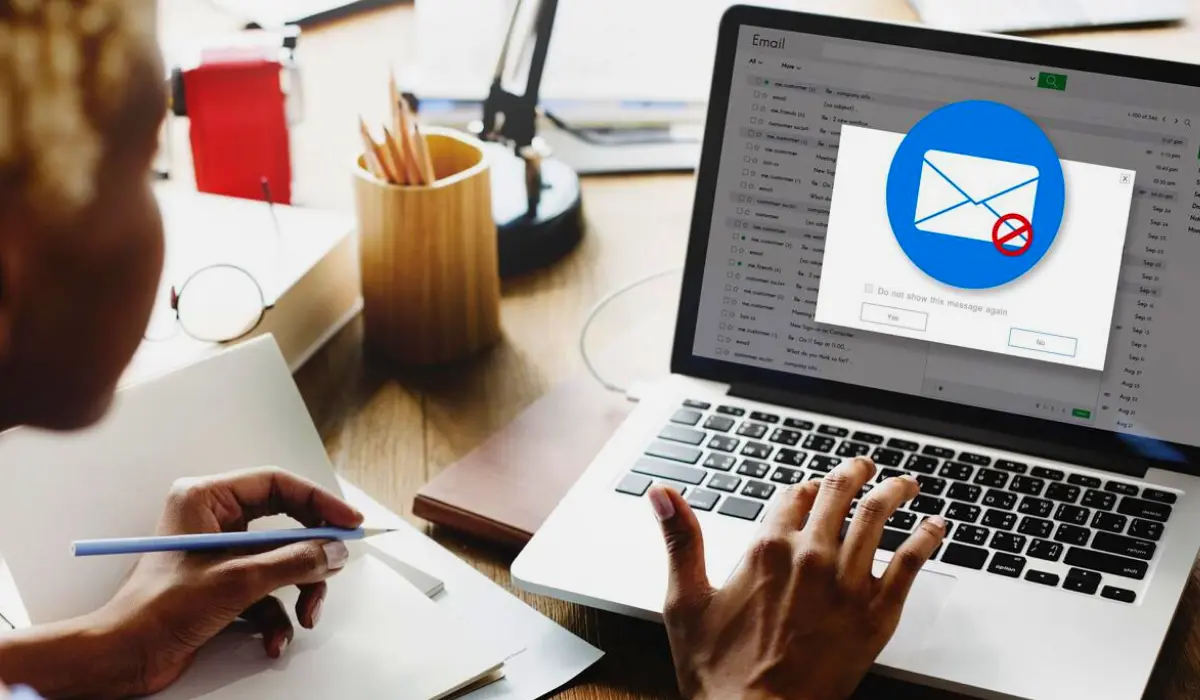
It’s Monday morning. You’ve got a steaming cup of coffee in your hand, ready to kickstart another productive week. You sit at your desk, boot up your computer, and start checking your emails that have accumulated over the weekend. Then, amidst the clutter of client queries, meeting invites, and newsletters, you spot a seemingly harmless email. You click on it, and boom, your entire system grinds to a halt. Your files become inaccessible, sensitive data compromised, and your business operations disrupted.
Unfortunately, this scenario is all too real in today’s hyper-connected business landscape. Email has become a weapon of choice for cybercriminals, with an alarming 94% of malware being delivered via this medium. More than just a communication tool, email has become a battleground, where the war for data privacy and business continuity rages.
Cyber threats are becoming increasingly sophisticated, with a staggering 75% of organizations around the globe reporting targeted phishing attacks. Consider the ransomware attack on Colonial Pipeline, one of the largest pipeline operators in the US. A single compromised email account led to an operational shutdown and a ransom payment of 4.4 million dollars. It underscores the sobering reality: businesses need to protect their email environment vigorously.
Top 10 Email security Best practices in 2024
In this blog, we’ll discuss the top 10 email security best practices that you need to know, they are
-
- Implement Two-Factor Authentication (2FA)
-
- Regular Security Training and Awareness Programs
-
- Use Strong, Unique Passwords
-
- Regular Backups of Email Data
-
- Regularly Update and Patch Email Software
-
- Utilize Email Encryption
-
- Employ Spam Filters
-
- Create a Secure Email Policy
-
- Monitor Email Traffic for Unusual Activity
-
- Install Anti-Malware Software

We’ll explore real-world examples, offering tangible, actionable strategies to strengthen your defenses systematically. So, buckle up, and let’s dive into the world of secure emailing, where every business leader needs to be an expert. Because when it comes to email security, the cost of learning is far less than the price of an attack.
1. Implement Two-Factor Authentication (2FA)
Back in 2019, Google started requiring all of their 85,000+ employees to use a physical Security Key for 2FA, in addition to their passwords. The results were nothing short of amazing. Not a single employee account was taken over due to phishing. We’re talking about Google here, with its huge amounts of data that’s a cybercriminal’s dream come true. It’s a powerful testament to how 2FA can stand up to even the sneakiest phishing attempts.
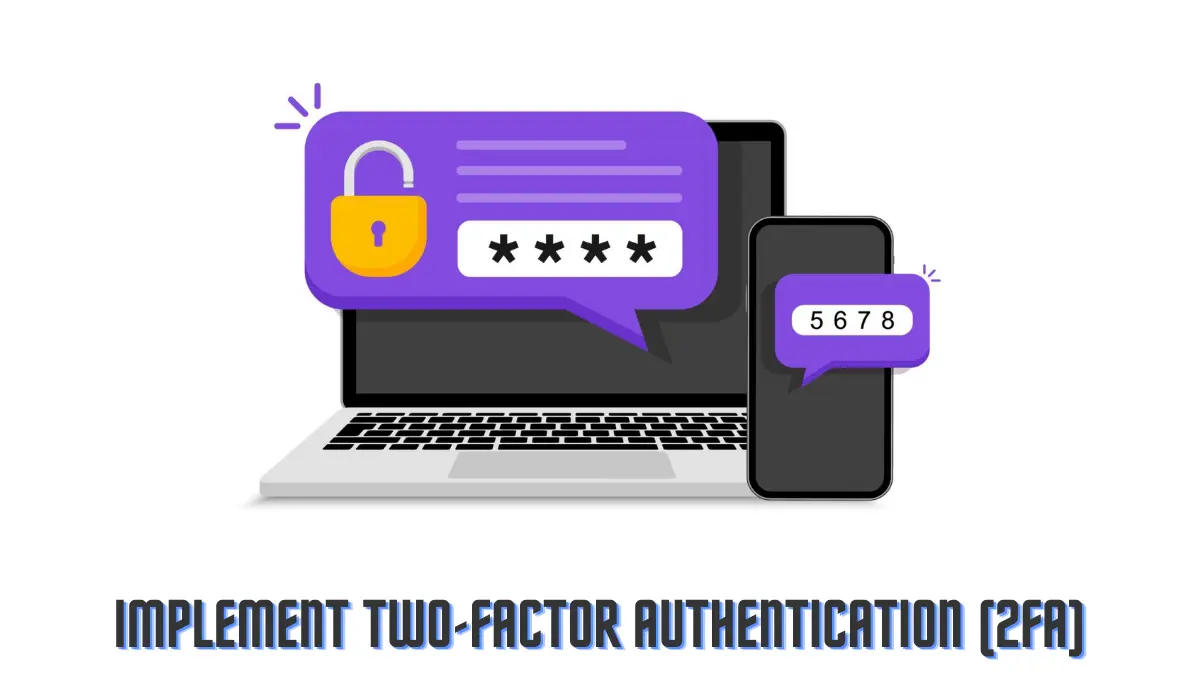
Two-factor authentication (2FA) is no longer optional but a necessity in the digital business landscape. When hackers gained unauthorized access to user data at Buffer, a social media management platform, the absence of 2FA enabled them to seize 50,000 user accounts in an instant. Thankfully, Buffer swiftly responded by introducing mandatory 2FA, showcasing a valuable lesson for other businesses.
Two-factor authentication is one of the most important steps you can take to secure your email from potential cyber-attacks.
2. Regular Security Training and Awareness Programs
Human error is often the gateway to successful phishing attacks. Take the infamous “Dyre” malware, for instance. Posing as a trusted bank email, it bypassed antivirus software, resulting in the theft of millions of dollars from both individuals and corporations. In response, organizations like LinkedIn now conduct periodic security awareness programs to educate employees about such threats, significantly reducing their vulnerability to scams.
3. Use Strong, Unique Passwords
Maintaining a strong, unique password for each account is fundamental. In 2012, a cyberattack on LinkedIn exploited weak user passwords, compromising 6.5 million accounts.
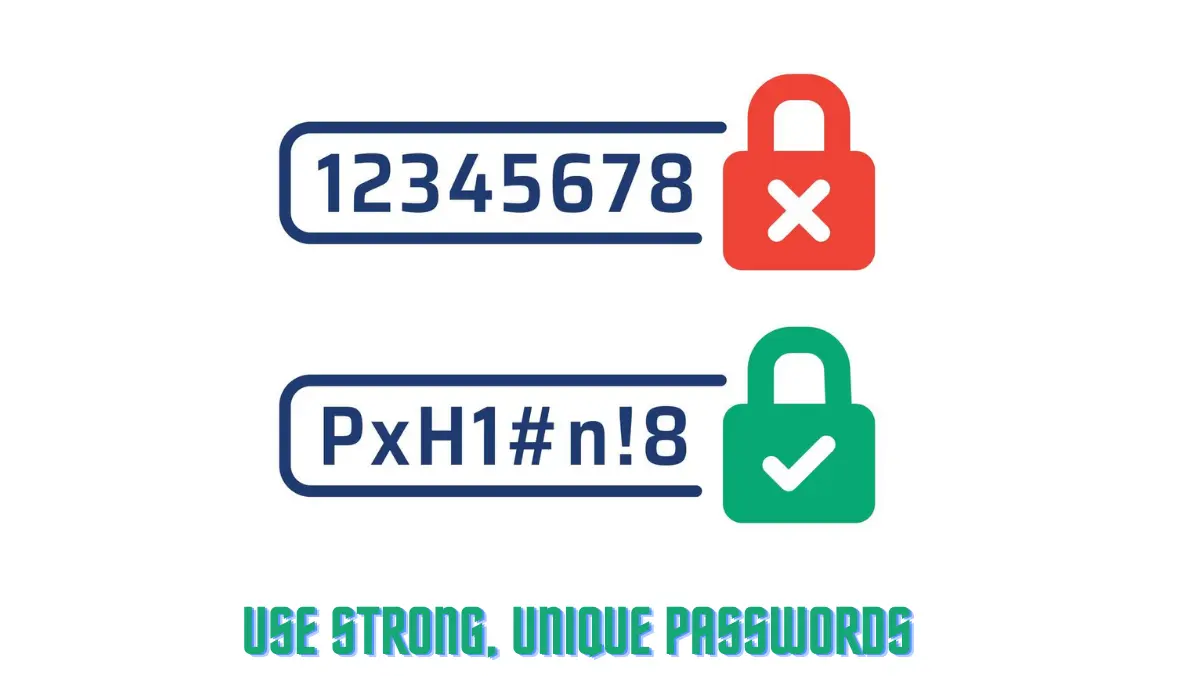
LinkedIn’s proactive response, urging users to strengthen their passwords and offering two-step verification, effectively improved their security posture and highlighted the importance of strong password protocols.
4. Regular Backups of Email Data
The importance of regular backups cannot be understated. The NotPetya attack on Maersk, the world’s largest shipping conglomerate, disrupted operations across 600 locations worldwide. However, they managed to restore operations from the sole surviving backup server, saving the company from potential ruin and emphasizing the criticality of frequent backups.
5. Utilize Email Encryption
Email encryption can protect sensitive information, even when intercepted. When Google faced criticism over email privacy concerns, it implemented end-to-end encryption, preventing third-party access to user emails.
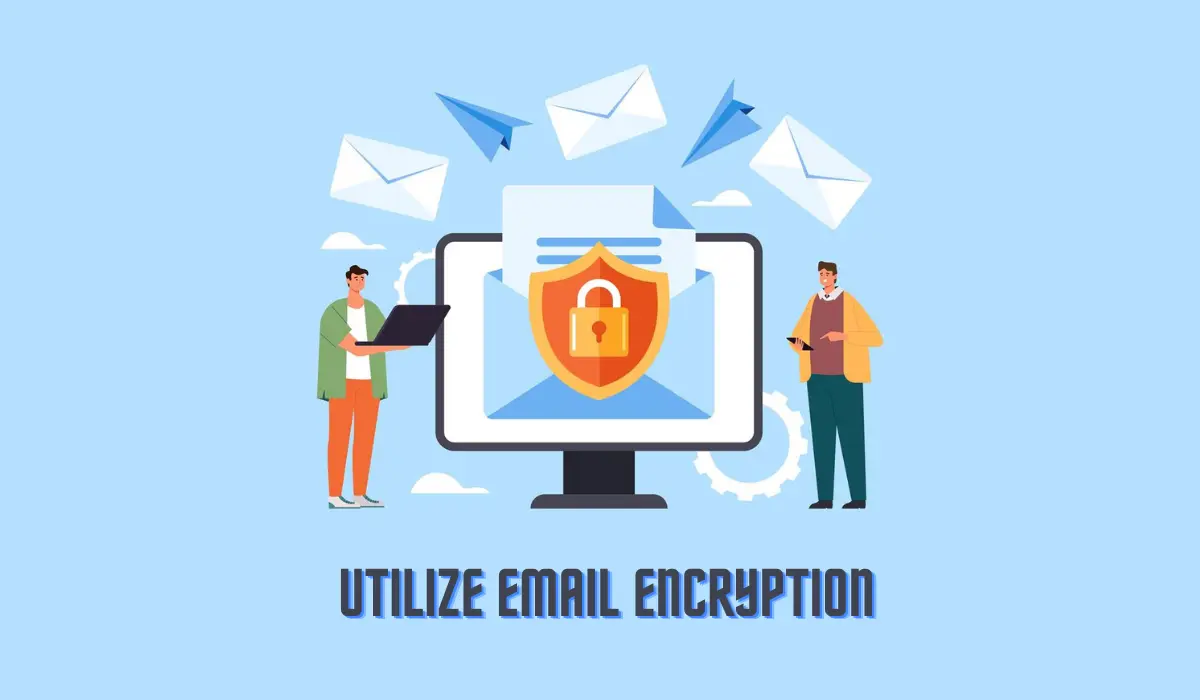
Today, 87% of outgoing emails and 51% of incoming emails in Gmail are encrypted, offering unparalleled security to its users.
6. Employ Spam Filters
Spam is a primary carrier for malicious threats. In 2018, Kaspersky Lab reported 120 million phishing emails in their spam flow. Using advanced spam filters, they effectively contained the threat, showcasing how essential these filters are in proactively safeguarding your email environment.
7. Regularly Update and Patch Email Software
Software updates and patches are your security fortifications. The devastating 2017 WannaCry attack capitalized on an unpatched Windows OS flaw, impacting over 200,000 computers globally.
Timely updates would have minimized the effect. Now, companies like Microsoft even provide ‘Patch Tuesday,’ regular monthly updates to ensure all known vulnerabilities are addressed.
7. Create a Secure Email Policy
A well-defined email policy offers a roadmap to secure email practices. The 2014 Sony Pictures hack, where massive amounts of data were stolen due to insecure email practices, showed just how costly an overlooked email policy can be. Post-incident, Sony implemented stricter email policies, marking a significant step towards fortifying their digital environment.
9. Monitor Email Traffic for Unusual Activity
Continuous monitoring of email traffic can nip threats in the bud. For instance, when a Florida city’s email system was compromised, continuous monitoring helped detect the anomaly, saving them from a hefty ransom of $600k. This incident showcases how continuous vigilance can act as an effective deterrent to cyber threats.
10. Install Anti-Malware Software
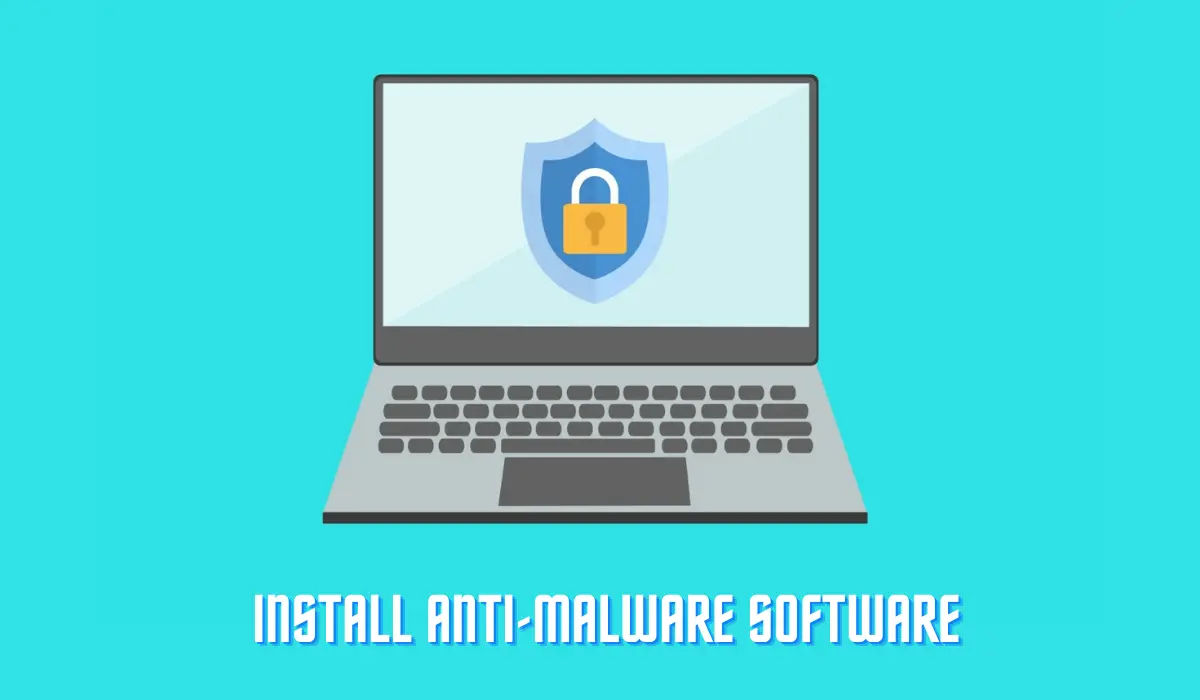
Anti-malware software is your defense shield. The city of Atlanta learned it the hard way when a ransomware attack crippled its systems, resulting in an estimated loss of 17 million dollars. The incident was a wake-up call for many municipalities, highlighting the dire need for robust anti-malware solutions.
Wrapping up
The digital landscape is riddled with pitfalls, but armed with these email security best practices, your business can navigate safely. Remember, the journey to robust email security is a continuous one, requiring regular upgrades, stringent practices, and unyielding vigilance.
Feeling overwhelmed by the journey ahead? Don’t worry, you’re not alone. At Wattlecorp, we provide comprehensive cybersecurity solutions tailored for businesses like yours. Let our team of experts handle the complexities of email security while you focus on what you do best – growing your business. Because at Wattlecorp, we believe that a secure business is a successful business.

 Qatar Cybersecurity Boardroom Accountability: Why QCB and NCSA Now Expect Executive Ownership
Key Takeaways: Cybersecurity in Qatar is increasingly becoming an executive governance responsibility, with national cybersecurity initiatives and sector-specific requirements encouraging organizations to establish stronger leadership oversight. QCB and NCSA play important roles in strengthening cybersecurity governance in Qatar, with QCB focusing on financial sector requirements and NCSA supporting national-level cybersecurity coordination and guidance. Executives can’t […]
 Data Privacy Consulting for Saudi Enterprises: How to Operationalize PDPL Data Subject Rights in 2026
Key Takeaways: The Saudi data protection law may apply to organizations outside the Kingdom when they process personal data related to individuals in Saudi Arabia, meaning geographic location alone does not automatically exclude an organization from PDPL obligations. PDPL data subject rights span access, correction, deletion, and consent withdrawal, and enterprises are on the hook […]
 Third-Party Vendor Security Risk Assessment Under DPDP: A Guide for Indian Enterprises
Key Takeaways: Third-party vendor risk assessment with DPDP practices helps Indian enterprises to verify that external partners handle personal data with adequate safeguards. The Digital Personal Data Protection Act holds data fiduciaries accountable for vendor conduct, which makes due diligence a legal and operational necessity. A structured vendor security questionnaire, covering encryption, access control, and […]
 Virtual CISO Services for UAE Free Zone Startups: Affordable Security Leadership for Growing Companies
Key Takeaways: Most startups already hold sensitive data such as customer info, source code, financials, long before they feel big enough to take security seriously, and that’s exactly when the risk starts. A virtual CISO gets you someone who’s done this before, setting up strategy and guiding compliance, without the cost of putting a full-time […]
 SOC as a Service for Indian BFSI and FinTech Companies: 24/7 Monitoring for CERT-In Readiness
Key Takeaways: SOC as a Service for BFSI and FinTech India gives banks, NBFCs, insurers and digital lenders continuous security visibility without the cost and hiring effort of building an in-house operations centre. CERT-In directions require regulated entities to report qualifying cyber incidents within six hours of detection, and implementing SOC for BFSI and FinTech […]
 SOC as a Service in India: How It Works, Pricing, and Why Businesses Need It
Key Takeaways: SOC as a Service helps Indian businesses to get 24×7 security monitoring without huge cost and complexity of building a full in-house security operations center. A managed SOC check and analyse beyond basic log monitoring, which combining SIEM, threat intelligence, analyst-led alert triage, incident escalation, reporting, and security response support. SOC as a […]