
The Indian Cybersecurity market is growing at a rapid pace. While this signifies high demand for cybersecurity professionals in the country, there still remains a persistent visible talent gap for more advanced and specialized roles. This is what makes the situation perplexing, and to that extent, disappointing as well.
Adding fuel to these are the uncertainties surrounding regulatory compliance and security certifications in India.
There’s no doubt that the Indian regulatory landscape is greatly affected. Most of it is due to the complexities related to the rapidly evolving digital regulations. For the businesses being forced to contend with these changing regulatory streams is where the actual challenge lies.
The problems don’t end here. Take for instance the Digital India initiative brought on by the expanding Indian digital landscape and the CRN reporting 84% of Indian businesses facing lack of cybersecurity visibility. These are instances of how digital evolution simultaneously gives rise to threats that most often go unnoticed.
WIth cyberattacks increasing in sophistication every day, staying secure has become synonymous with survival. Getting past these threats is the need of the hour by protecting critical infrastructure and sensitive data.
Indian enterprises should consider implementing security solutions that not only protects them, but also helps them steer clear of evolving threats. This statement highly hints towards adopting high-end security methods like vulnerability assessment and penetration testing (VAPT).
At Wattlecorp, we design our Vulnerability Assessment Solutions based on our VAPT analysis. A method like this can significantly help Indian organizations to effectively adhere to the country’s national and industry-specific regulatory standards while simultaneously enhancing their cybersecurity posture.
Want to know how we do this? Let’s dive further.
Why Indian Businesses Shouldn’t Ignore Vulnerability Assessment?
As stated previously, India’s evolving digital landscape is prone to cyberattacks. To stay protected as well as strengthen defences therein make it highly crucial to adopt and implement proactive security measures by way of vulnerability assessment.
Regular vulnerability assessments (VA) help identify security flaws or weaknesses more effectively, thus preventing hacker exploitation to a significant extent. Businesses undertaking VA more regularly build stronger defences than those preferring security assessments on an off-and-on basis.
An advanced cybersecurity practice like VAPT is result-oriented and comprises a two-step process. This typically starts with a vulnerability assessment to scan your systems, apps, and networks and identify potential weaknesses. Penetration testing follows to analyze and exploit identified vulnerabilities, whereupon based on their severity and impact, are prioritized and resolved.
Now what will happen if Indian enterprises neglect vulnerability assessments or VAPT as a whole? Let’s see.
High Attack Volumes
From a global standpoint, India ranks as one of the most affected countries in terms of cybersecurity incidents occurring annually. While the numbers remain hidden, it’s evident that as many as 3,200 attacks hit Indian businesses weekly, reports The Hindu. Of these, smaller and medium-sized businesses are the ones losing stakes at the hands of high-profile cybercriminals.

State-Sponsored Attacks
India’s critical infrastructure, i.e., power grids and defense sectors, is highly targeted by state-sponsored cyberattack groups. Since these can severely compromise national sovereignty and destabilize essential services, implementing more powerful security measures like vulnerability assessment has become highly crucial.
AI-Powered Threats
With hackers using more sophisticated, yet malicious AI tools to assist in crafting convincing phishing content and business email compromise (BEC) scenarios. This does not enable them to gain direct entry into critical systems, applications, and networks whatsoever. Entry still requires exploiting existing vulnerabilities, such as unpatched software, weak credentials, misconfigurations, etc.
Convincing phishing emails creation made easy through these illegitimate activities can truly make way for vulnerability exploitation.
Instances like these highly demand security measures that are more viable and reliable than traditional defences.
Diverse Attack Vectors
From ransomware to malware and social engineering, Indian-based cybercriminals utilize varied techniques to exploit vulnerabilities.
Tackling them effectively can only be possible if business executives begin to utilize proactive security measures like vulnerability assessments.
Selection Criteria
Since it has become clear regarding the essentials of undertaking vulnerability assessments in the Indian cybersecurity context, our next task is to choose the right vulnerability assessment solution. Remember that doing so demands equal priority as far as staying secure and compliant matters in India.
While this may prove highly overwhelming, we’ve designed specific criteria, which will help you easily and logically decide what sounds apt for your business. True to this, you should consider vulnerability assessment solutions that effectively meet the below criteria:
Comprehensive coverage
When scanning networks, servers, and web and mobile applications, including cloud environments, you should seek a solution that doesn’t leave any stone unturned on these aspects.
Additionally, this should employ both manual and automated testing to detect potential as well as subtle gaps in security.

Accuracy
Next comes the level of accuracy or precision that comes with vulnerability assessment solutions when helping identify hidden security flaws within your systems, applications, and networks.
Combined with penetration testing via simulations, VA solutions are directed to detecting and containing any potentially missed critical vulnerabilities. Actions like these significantly help bring down false negatives rates. These directly translate to fewer missed vulnerabilities.
Regulatory Alignment
Businesses operating in India should strictly adhere to relevant regulatory requirements, such as the IT Act 2000, ISO 27001, and DPDP (Digital Personal Data Protection) Act, etc.
Adjunct to these are the mandatory Indian cybersecurity regulations like the CERT-In Directions 2022 that strictly require notifying reportable security breaches within 6 hours.
Not to be left behind is the RBI (Reserve Bank of India)-enforced Cybersecurity Framework 2016 to strengthen cyber resilience within the financial sector.
Also, the SEBI’s Cybersecurity and Cyber Resilience Framework (CSCRF) for market infrastructure institutions (MIIs) and other regulated entities (REs) emphasizes adopting a graded approach to cybersecurity and cyber resilience.
A key requirement for SEBI’s Cybersecurity Framework 2023 is to report security incidents within 6 hours among others, including developing comprehensive cybersecurity policies.
All the aforementioned regulations for Indian business entities seek to strengthen cyber defense and resilience and preventing penalties across all critical and non-critical sectors.
Customizable and Scalable Solutions
Vulnerability assessment solutions offered should be customized and scalable to the varied security needs and sustainable development goals of businesses.
They should naturally flow in with the workflow through essential tools and systems like SIEM, DevOps Pipelines, and incident response systems.
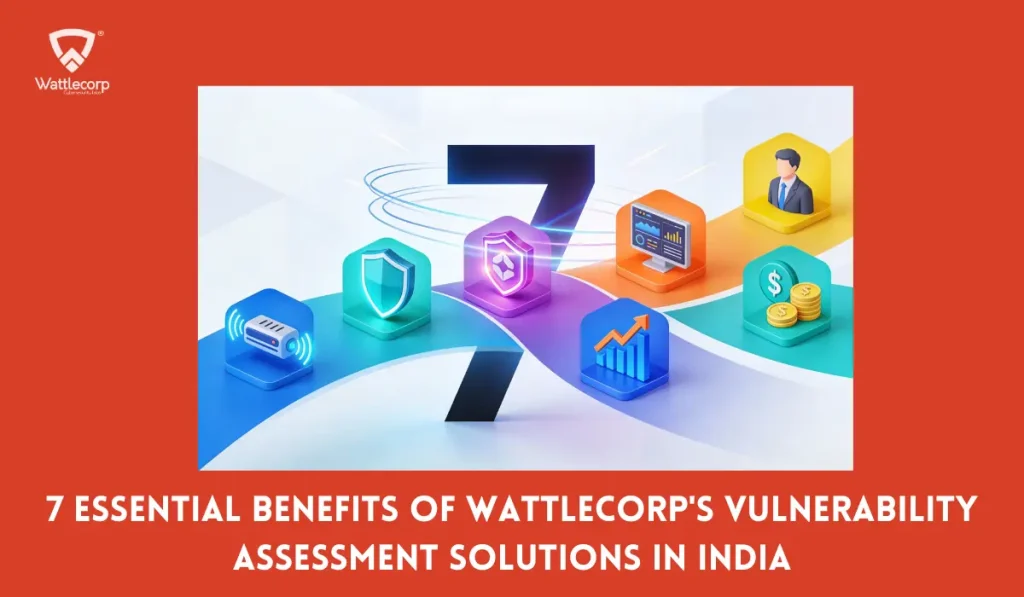
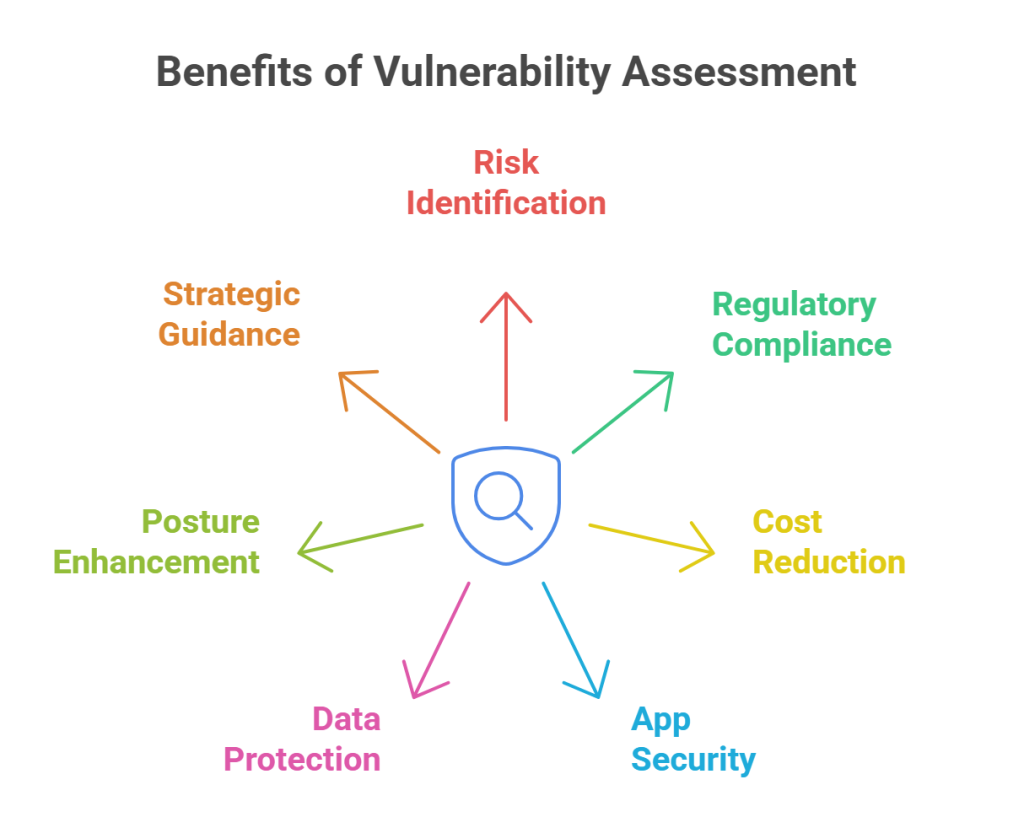
The 7 Key Benefits of Vulnerability Assessment Solutions for Indian Businesses
VA solutions through VAPT enable Indian businesses to remain both protected and compliant with relevant cybersecurity and regulatory requirements
Below are some of the tangible benefits associated with VAPT.
Benefit #1: Risk Identification and Prioritization
- Core Value: VAPT comprehensively reviews the overall security posture of an organization. This is a structured approach that starts with vulnerabilities (risk) assessment. Upon ranking identified vulnerabilities based on their severity and impact, this leads to risk prioritization and mitigation. CVSS (Common-Vulnerability Scoring System) that ranks vulnerabilities on a scale of 0 to 10, is one of the popular vulnerability-scoring methods used for this purpose.
- Quantifiable Impact: Significant risk reduction related to financial losses, resource optimization in terms of security, and improved compliance status.
- Relationship to Indian regulatory context: The complex, yet evolving regulatory landscape in India highly prioritizes vulnerability assessments and penetration testing (VAPT) to ensure personal data protection by all means. This is specifically mandated by regulations, such as CERT-In (Indian Computer Emergency Response Team) and RBI (Reserve Bank of India).The prime objective is to ensure a strong and stable national cybersecurity posture by securing digital personal data under DPDPA 2023.
Benefit #2: Regulatory Compliance
- Core Value: Helps meet compliance requirements pertaining to cybersecurity and local regulations prevailing in India, not to exclude international standards, such as ISO 27001, and DPDPA 2023.
- Quantifiable Impact: Cost-effectiveness that surpasses non-compliance costs to a significant extent as delivered by VA metrics with highly improved security outcomes.
- Relationship with Indian Regulatory Context: Banks and NBFCs (Non-Banking Financial Companies) under RBI’s broader cybersecurity framework should undergo regular VAPT assessments to achieve proactive defense and resilience against emerging cyber threats.
Benefit #3: Cost Reduction
- Core Value: Regular vulnerability assessments do significantly help reduce costs by proactively reducing security flaws before them getting exploited. Not only these expenses involved in comprehensive VAPT assessments outweigh those incurred in cyberattacks and recovery measures, such as downtime, data recovery, and legal compensations that ensue.
- Quantifiable Impact: Improved cost effectiveness and increased ROI (Return on Investment) with enhanced compliance and security.
- Relationship with Indian Regulatory Context: The cost-reduction benefits associated with VA solutions help Indian businesses prevent financial penalties that strict regulatory frameworks like DPDPA and evolving cybersecurity regulations impose.
Benefit #4: Web and Mobile App Security
- Core Value: Vulnerability assessment solutions offer excellent security coverage for both web and mobile applications.
- Quantifiable Impact: Strengthened security and compliance posture through applying improved data protection features.
- Relationship with Indian Regulatory Context: Based on DPDPA 2023 and CERT-In guidelines, VAPT should essentially consider safeguarding Indian mobile and web applications to ensure strict data privacy by undertaking periodic audits with rapid incident reporting.
Benefit #5: Sensitive Data Protection
- Core Value: Vulnerability assessment solutions can detect security flaws, such as misconfigurations. This helps organizations prevent data breach incidents.
- Quantifiable Impact: A significant reduction in data exposure and breach incidents with regular VA assessments.
- Relationship with Indian Regulatory Context: The DPDP Act imposing stricter penalties owing to non-compliance and slower incident response times can effectively take a better turn, thanks to leveraging vulnerability assessment solutions.
Benefit #6: Security Posture Enhancement
- Core Value: Indian organizations can acquire a detailed view of their existing security posture through vulnerability assessment solutions.
- Quantifiable Impact: A drastic reduction in risks related to breaches and penalties.
- Relationship with Indian Regulatory Context: VAPT, strongly governed by Indian cybersecurity and legal regulatory standards, is meant to strengthen security posture for businesses implementing.
Benefits #7: Strategic Guidance and Prioritization
- Core Value: VA Solutions strategically help prioritize vulnerabilities that need immediate attention and remediation based on their severity and impact.
- Quantifiable Impact: Enhanced security posture with improved financial stability.
- Relationship with Indian Regulatory Context: For VA Solutions’ to strategically prioritize remediation is bound by legal obligations and business risks. The latter, in turn, necessitates aligning with the complex regulatory environment and acting per the directives of CERT-In’s and sector-specific guidelines from RBI to comply with DPDPA. These should not exclude the rules laid down by the SEBI (Securities and Exchange Board of India).
How to Choose the Right Provider
While Vulnerability assessment solutions can render all these stated essential benefits, time has now come to decide who can offer them in all efficiency and efficacy.
Among existing cybersecurity providers in India, there exists one, who is proficient in offering advanced cybersecurity service by way of vulnerability assessment and penetration testing (VAPT). That’s Wattlecorp for you.

What makes this cybersecurity service provider stand out from their competitors in India? And how does Wattlecorp deliver value? Let’s find out as the next session unfolds.
Why Wattlecorp Stands Out Among Vulnerability Assessment Service Providers in India
Wattlecorp’s result-driven approach to offering vulnerability assessment solutions that perfectly align with India’s digital and regulatory landscape undeniably makes them the most trusted and reliable vulnerability assessment partner. No wonder why most of the executives rely on this cybersecurity service provider for their security and compliance needs.
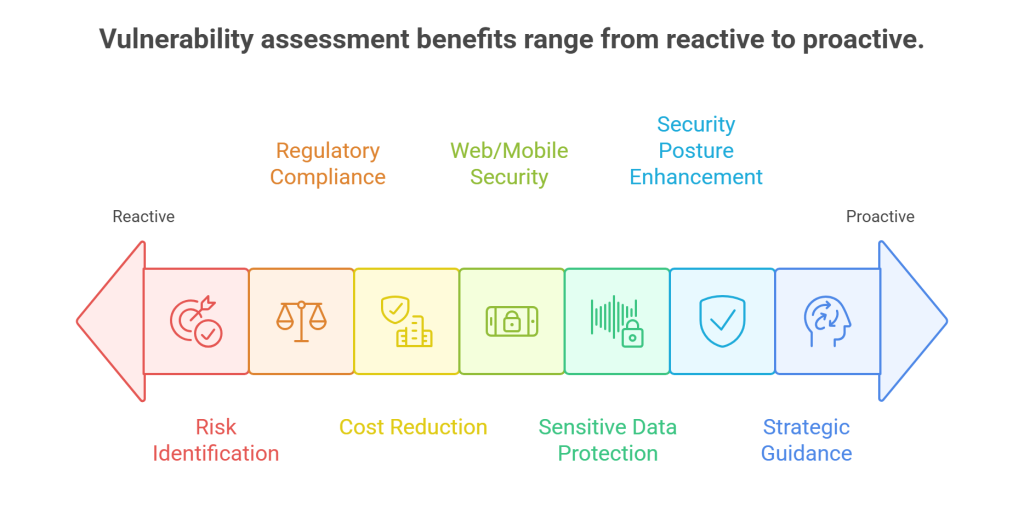
Let’s now see how Wattlecorp’s deep technical expertise combined with their actionable insights helps Indian businesses gain a security posture that is more resilient than being reactive. We’ll also revisit those aforementioned 7 key benefits to see how this vulnerability assessment service provider makes them even more advantageous for Indian businesses.
- Risk Identification and Prioritization: Our seasoned cybersecurity experts go beyond vulnerability detection and assessment to determine their exploitability. This helps prioritize and fix those risks that are severe and can adversely impact business security.
- Regulatory Compliance: Our understanding of both Indian and international compliance frameworks enables us to tailor our vulnerability assessment services to sector-specific regulatory requirements. You derive improved operational efficiency with enhanced security visibility.
- Cost Reduction: Our proactive approach to identifying and assessing security allows us to fix these issues before hackers exploit them. Our remediation strategies in this regard improve cost-effectiveness that otherwise make you incur high costs owing to massive security incidents like data breaches. You achieve improved operational efficiency through reduced downtime, resource optimization, and lesser legal penalties.
- Web and Mobile Application Security: Well supported by OWASP-integrated resources and aligned with India’s DPDPA 2023, our vulnerability assessment solutions help strengthen security posture for both mobile and web applications through mobile and web application penetration testing.
- Sensitive Data Protection: The data-centric security testing services we offer are designed to detect encryption and configuration-related flaws, as well as unauthorized data access. Through a data protection framework supporting rapid incident response and privacy-by-design implementation, this cybersecurity service provider ensures personal and financial data security for businesses while strictly adhering to DPDPA 2023.
- Security Posture Enhancement: At Wattlecorp, our vulnerability assessment delivers a 360-degree visibility to detect vulnerabilities within API endpoints, web, and cloud environments. This combined with our continuous monitoring and risk trend analysis help businesses derive strengthened security posture.
- Strategic Guidance and Prioritization: Our proactive cybersecurity solutions are built on our strategic and prioritization framework enable our Indian clients to improve their incident response capabilities.
Vulnerability assessment solutions are integral to the compliance requirements of a nation. Henceforth, these are expected to effectively align with relevant cybersecurity and regulatory frameworks like those existing in India, namely CERT-In, RBI, SEBI, and DPDPA 2023.
The journey from vulnerability assessment and penetration testing to vulnerability assessment solutions is comprehensive, but the results are remarkable and worth it, in terms of improved security and compliance outcomes achieved.
But to deliver these results in all appropriateness and effectiveness requires a provider, who is adept and proficient enough.
By offering a practical edge to the generically termed benefits of vulnerability assessment solutions, Wattlecorp has once again proven their efficacy in tailoring their VAPT services in India to meet varied regulatory compliance and security needs businesses.
If you’re one operating in India and are finding it extremely hard to navigate through the country’s complex and evolving regulatory standards, we are here to guide you. Connect with us and our VAPT professionals will be there at your service, walking you through the essentials of achieving and retaining compliance and security at one go.