


Cloud Server Hardening for GCP
Let’s keep your Google Cloud Platform more secure
What is Cloud Server Hardening for GCP ?
Google Cloud Platform has gained paramount priority in the majority of the workspaces. Even though security is offered by Google in their platforms, securing the assets from bad actors is a great responsibility of the user or the business operating based on the same. Cloud server hardening for GCP is primarily through managing and controlling access to the services and conducting thorough audits towards improvised security. Utilizing the benchmarks and best practices from Center for Internet Security (CIS), the integrity of your Google cloud infrastructure can be ensured.

Benefits of cloud server hardening for GCP
Securing any assets comes with a myriad of benefits so that is also with hardening the Google Cloud platforms utilized in your business. Conducting Cloud Server Hardening for GCP adds a layer of security to what they provide. This helps to safeguard data from bad actors by ensuring robust encryption, and access controls, along with ensuring confidentiality and integrity of the sensitive information. It provides much more such as ensuring uninterrupted services, efficient backups and recovery, optimized operational cost, and a better incident response system toward complete security from the user side.
It also assists in demonstrating dedication to data compliance, dependability, and overall organizational resilience in the dynamic world of cloud computing.


Discovery and mapping
Finding and sorting all the assets in the ICS/SCADA system based on its type.

Vulnerability assessment
Finding the vulnerabilities in the system using the most advanced tools and techniques.

Penetration testing
Verifying the found vulnerabilities to find its real impact on the system.

Reporting
A comprehensive and insightful report on the remediation of the vulnerabilities is shared.
F.A.Q
We have something for everyone, including pricing and answers.
Tip • Book a consultation to get personalised recommendations.
What are some best practices for server hardening?
Server hardening best practices include applying security patches, disabling unnecessary services, enforcing least-privilege access, configuring firewalls, enabling encryption, and continuously monitoring server activity.
How much do GCP server hardening services cost?
The cost of GCP server hardening services depends on the number of servers, infrastructure complexity, assessment scope, and security requirements. Contact Wattlecorp for a customised quote.
Who should use GCP Server Hardening Services?
Businesses hosting applications, databases, or sensitive information on Google Cloud Platform should consider GCP server hardening services to reduce security risks and strengthen cloud infrastructure protection.
How can I harden my GCP servers?
You can harden your GCP server by securing IAM permissions, configuring firewall rules, applying security updates, disabling unused services, enabling logging, and regularly reviewing security configurations.
What are the benefits of using GCP server hardening services?
GCP server hardening services help reduce attack surfaces, prevent unauthorised access, address security misconfigurations, protect sensitive data, and support regulatory compliance readiness.
— One more step —
Protect Now !
All you need to do is fill the form below.
Recommended Cybersecurity Services
Officially recommended by Hackers.

AWS Server Hardening
We secure your AWS servers by applying best practices and configurations to protect against vulnerabilities and attacks.

azure Server Hardening
We fortify your Azure servers with advanced security measures, ensuring robust protection against potential threats.

Cloud Security Assessment
We assess your cloud environment to identify security gaps and provide recommendations to strengthen your overall cloud security.

Cloud Configuration Review
Our team reviews your cloud configurations to ensure they are optimized and secure, protecting your data and applications from potential risks.
Recent Articles
stay up to date with recent news.
-
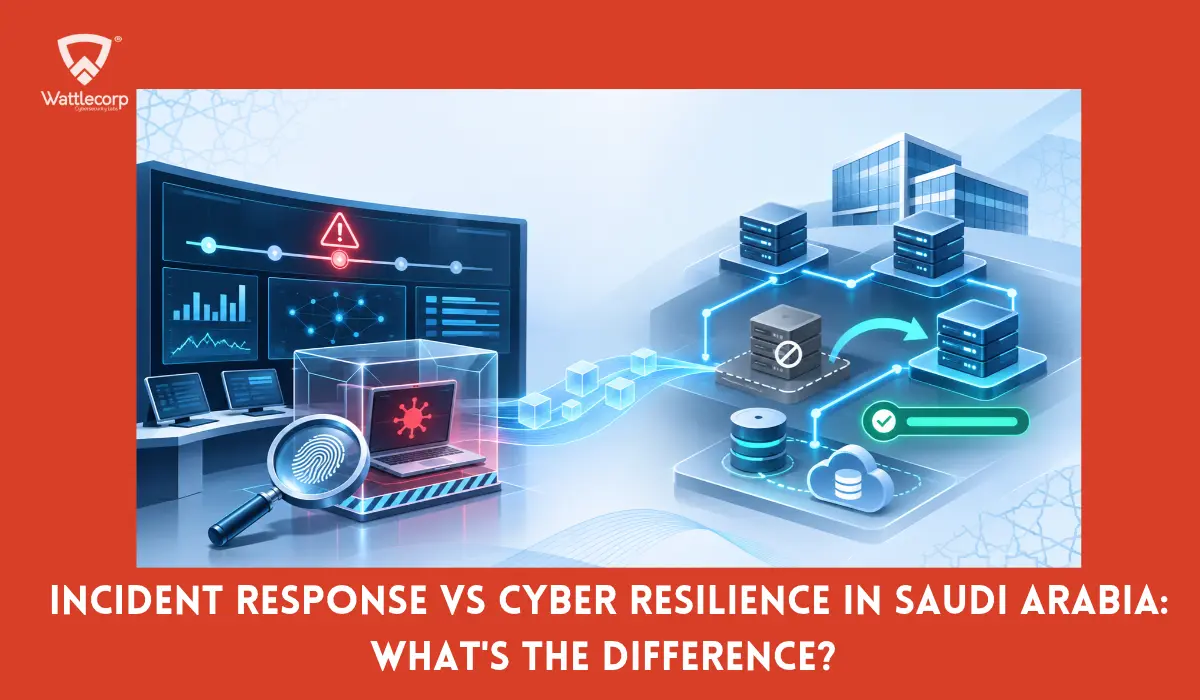
Incident Response vs Cyber Resilience in Saudi Arabia: What’s the Difference?
Key Takeaways: Incident response is integral to cyber resilience and helps teams contain threats and safely restore affected systems. Cyber resilience helps business prepare for disruption, keeping critical services running. Agree on recovery targets before an incident by deciding how quickly critical systems should resume and how much data loss can be tolerated. Test recovery…
-
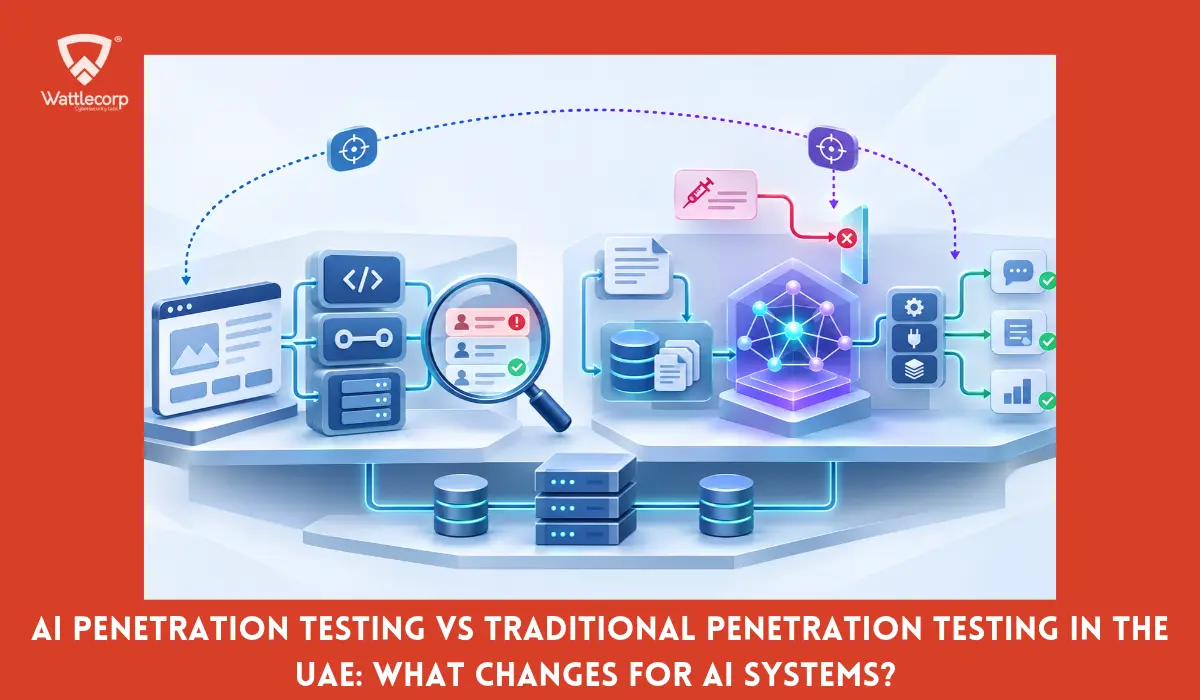
AI Penetration Testing vs Traditional Penetration Testing in the UAE: What Changes for AI Systems?
Key Takeaways: AI penetration testing adds model behaviour, data exposure, and tool misuse to security assessment scope. Traditional testing remains necessary for networks, applications, APIs, and cloud infrastructure. Training data and retrieved documents can introduce security risks. Reports should record configuration, repeated attempts, and business impact. Retest before launch and after changes affecting security boundaries.…
-
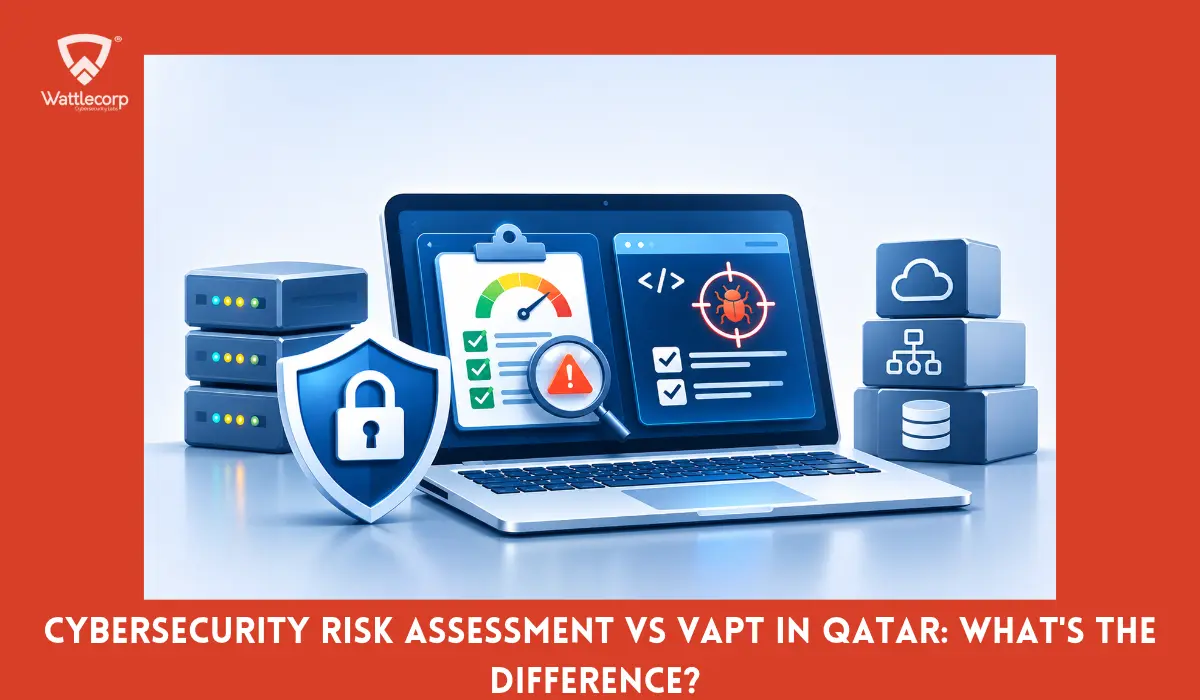
Cybersecurity Risk Assessment vs VAPT in Qatar: What’s the Difference?
Key Takeaways: Risk assessments evaluate business exposure across people, processes, and technology. VAPT identifies weaknesses and validates exploitable attack paths within an agreed scope. A risk register supports ownership, treatment decisions, and management oversight. Qatar compliance requirements depend on the applicable standards, sector, and contractual obligations. Test results should update risk ratings and remediation priorities.…
-
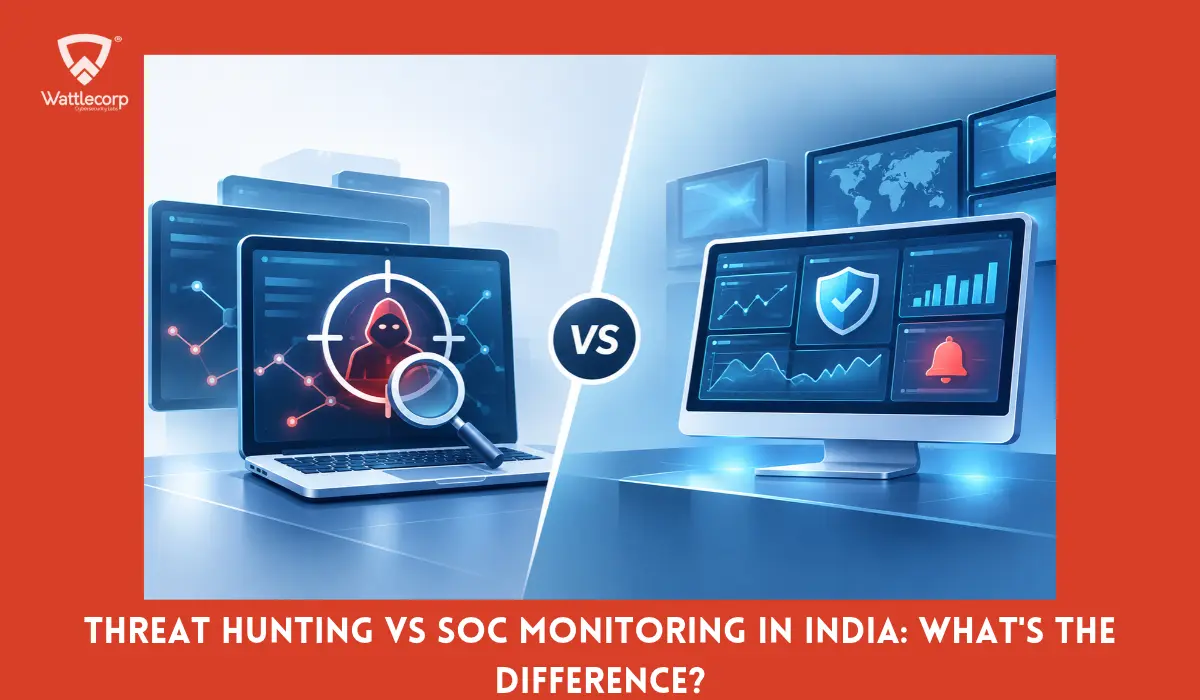
Threat Hunting vs SOC Monitoring in India: What’s the Difference?
Key Takeaways: Monitoring is alert-driven. It reacts, around the clock, to what your rules and tools flag. Hunting is hypothesis-driven. An analyst assumes an attacker already got past those rules and searches for the evidence. Both run on largely the same data and tools. What changes is the question asked of that data. The Indian…
