

How to Stay Updated with Latest Cybersecurity News & Events
The field of cybersecurity is one that is continuously changing and evolving. Each day, new vulnerabilities are being found, and exploits are being developed, thanks to the large group of cybersecurity specialists and enthusiasts working around the world.
It is essential that you keep updating your knowledge and skillset so that you can keep up with this fast-paced domain. Discussed below are some of the sources of information you can use to do so.
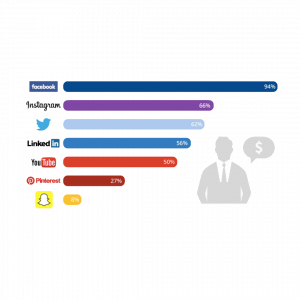 The first and the most obvious way to keep up with any trend, not just cybersecurity, is via social media platforms. You can follow popular security researchers such as Stok Frederick, Bruce Schneier, and Richard Bejtlich on Twitter, as they regularly share tweets about their latest discoveries and cyber events happening around the world. All of them also have other information-sharing mediums such as podcasts, YouTube channels, and blogs, which you can find on their Twitter handle as well.
Read More: What Happened in the Twitter Attack?
It’s also useful to join a cybersecurity community like EvilHoursX, which has a presence on various platforms like Instagram, Twitter, and Discord. This will help you connect and exchange information with like-minded individuals who are focused on cybersecurity just like you are.
 Another surefire way to gain lots of knowledge and exposure to the cybersecurity field is by attending live cybersecurity events, such as conferences, webinars, discussions, and community meetups. Some of the best minds in cybersecurity will be speaking at most of these events, and it’s a great way to gain new insights and valuable knowledge from them. Events also help you connect with professionals in the field, leading to more opportunities in the world around you. Networking is a crucial aspect of cybersecurity.
Read More: Debunking Myths in Cybersecurity
For companies and security researchers alike, it’s essential to know about the latest vulnerabilities that are  being discovered every day. Companies must be aware of this in order to protect their organization from cyber attacks. Websites like US-CERT, SecurityFocus, and the National Vulnerability Database list all vulnerabilities that have been found daily.
Regularly visiting these websites will help you identify and patch up any vulnerable versions of components you’re using. You can also refer to sites like ExploitDB to find out if an exploit is already ready to attack you. As an individual, the website Have I Been Pwned is a great resource to check if your details have been compromised on any platform.
Online forums are another way to stay updated with the latest cybersecurity news and trends. There are many forums and discussion groups available on Reddit for all things cybersecurity, such as r/netsec and r/cybersecurity. Regularly browsing through these information sources is sure to have an impact on your level of knowledge.
Read More: Ripple20: The Set Of Vulnerabilities
Whichever medium you choose to get your information from, make sure you keep consuming content in order to stay on top of the game. Cybersecurity is an ever-shifting industry, so as you learn, the industry is changing along with you. Don’t let yourself feel overwhelmed with all the information though; carefully curate your information sources and consume content only from sources you understand and relate to the most.

 Mobile Application Penetration Testing for Qatar Government Digital Services: NCSA- Aligned Security Assurance
Key Takeaways: Mobile Application Penetration Testing Qatar must cover the app, device storage, APIs, authentication and third-party components. Qatar’s NCSA assurance environment combines the National Information Assurance (NIA) Standard, the National Information Security Compliance Framework (NISCF) and accredited security assessment services. OWASP MASVS defines mobile security controls, while MASTG supplies practical test methods for Android […]
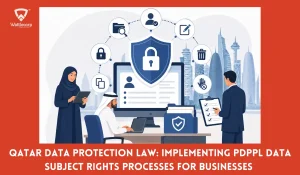 Qatar Data Protection Law: Implementing PDPPL Data Subject Rights Processes for Businesses
Key Takeaways: The Qatar Data Protection Law (Law No. 13 of 2016) for Personal Data Privacy Protection, grants individuals specific rights such as right to access, correct, erase, object, withdraw consent, and right to be notified of processing or inaccurate disclosure. Beyond having a privacy policy, businesses or controllers, under Article 11 of Personal Data […]
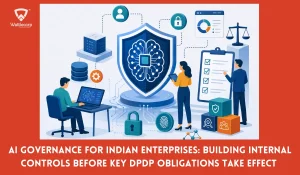 AI Governance for Indian Enterprises: Building Internal Controls Before Key DPDP Obligations Take Effect
Key Takeaways: The DPDP Act does not contain AI-specific provisions. Its requirements, however, apply in situations when an AI system processes digital personal data within its territorial and material scope. India is working on building a broader governance framework around safety, accountability, transparency and trust via programs like the IndiaAI Mission. Indian organizations should inventory […]
 Cloud Security Audit for UAE Government Cloud Migration: NCAP and Security Requirements
Key Takeaways: A cloud security audit UAE helps government entities identify security, governance, configuration, access, data-protection and resilience gaps, before and after shifting critical workloads to the cloud. UAE National Cloud Security Policy has defined cloud governance, data security, data sovereignty, IAM, incident management, resilience, portability and cloud operations requirements. The National Cyber Accreditation Program […]
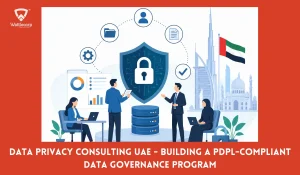 Data Privacy Consulting UAE – Building a PDPL-Compliant Data Governance Program
Key Takeaways: PDPL compliance requires ongoing operational governance that goes beyond policies to demonstrate how personal data is collected, used, protected, transferred, retained, and deleted. Data mapping helps businesses move from reactive compliance to proactive risk management by establishing a comprehensive inventory of the data ecosystem, helping build a mature data privacy and governance program. […]
 Saudi Arabia’s Critical Systems Controls: What CSP-Linked Enterprises Must Comply With in 2026
Key Takeaways: The Critical Systems Cybersecurity Controls (CSCC) are more applicable to critical systems than to all IT assets owned or operated by an organization. To be in full compliance or to remain in full compliance with CSCC, organizations must maintain continuous adherence to NCA ECC. CSCC has 32 core controls and 73 sub-controls across […]