

The World of Ransomware : Exploring the Global Threat Landscape
Malware exists in many different types and each of them exhibits dangers unique to its kind. But one that most people are always afraid of due to the dangers caused is ransomware. But what is ransomware?
What is Ransomware?
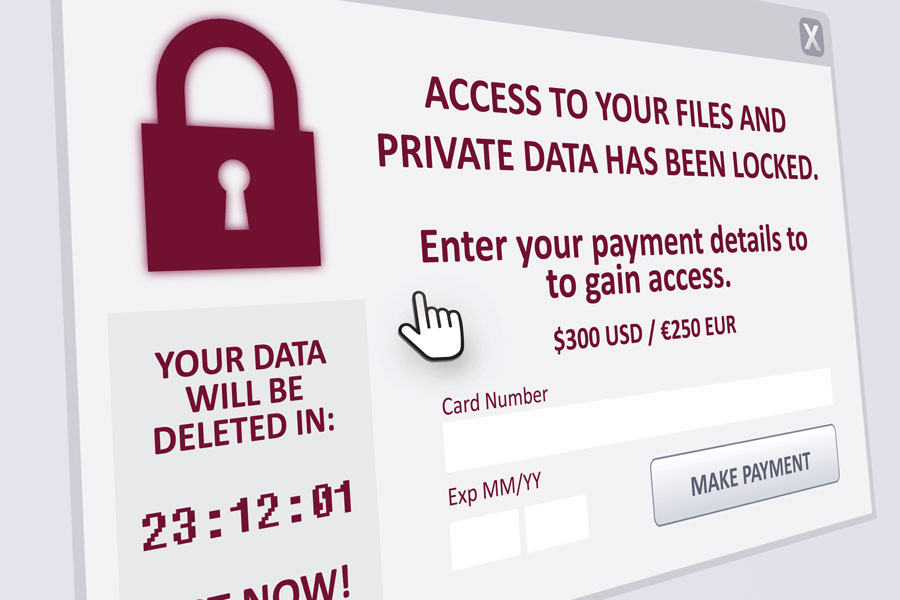
A type of malware, ransomware is infamously well-known for the problems caused by it. Once ransomware enters your system, it proceeds to encrypt certain parts of your data or everything stored inside your computer.
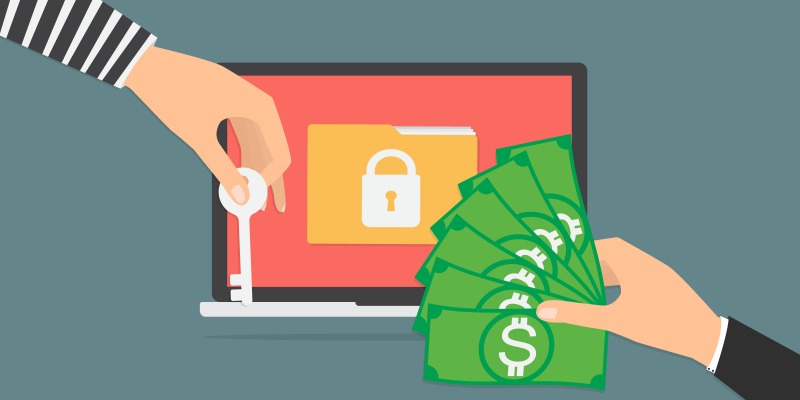
Once that is done, the criminals behind the attack ask for a specific amount of ransom through an anonymous bitcoin account. The criminals give you a key to decrypt the data only after the ransom has been paid. Ransomware spreads through attachments or links in phishing emails, infected websites, malicious files from the internet, or affected USB sticks.
Ransomware is basically of two types.
Types of Ransomware
The major types of ransomware are crypto-ransomware and locker ransomware. Crypto ransomware encrypts the data inside a system. The cybercriminals provide the user with a decryption key only when the ransom is paid to the anonymous Bitcoin account.
This is the commonly known kind of ransomware attack. Locker ransomware attacks are different from crypto-ransomware attacks. While crypto-ransomware blocks you from obtaining already stored data, locker ransomware doesn’t touch your data. It locks you out of your device, preventing you from using it. The Cybercriminals unlock your system only after the ransom is paid.
Now that you know the types of ransomware, let us look at two ransomware attacks to see their way of attack.
Read More: Top 5 Ransomware
Infamous Ransomware Attacks
There have been many ransomware attacks, but only a few have made news in a way that even the common people knew of its impact. Let us look at two of those attacks. WannaCry is the poster child of ransomware. The biggest ransomware attack up to date was happening right at the time when Bitcoin began its rise to fame. While the cybercriminals associated with the attack were increasing their financial status, bitcoin became known to the layman. WannaCry targeted systems that ran outdated Windows versions.

The systems still had the ExternalBlue vulnerability, which is how they were able to get inside so many systems. WannaCry infected over 2,30,000 computers scattered in more than 150 countries. Another reason that WannaCry hit so many systems was due to its excessive nature of spreading. WannaCry combined the destructive power of ransomware and added the infective nature of a worm, making it an effective killing machine. Another ransomware that created huge impacts was the Ryuk ransomware. Its impact was felt in every system it hit, due to an extra feature of the ransomware. Ryuk disabled the Windows System Restore option inside a device, making encrypted files’ restoration impossible without a backup.
Now that the impacts and fear of ransomware are deeply ingrained into your mind, let us look at how to escape from a ransomware attack.
Read More: Phishing Scams: A Side Effect of the Coronavirus
Evading a Ransomware Attack
While prevention is obviously better than cure, there are two ways to go about escaping the effects of a ransomware attack. The first one obviously has to do with what was mentioned as preventive measures and the second set of tasks is what to do once one is affected to reduce the impact of the attack.
The best way to prevent being hit by a ransomware attack is to ensure that your system is safe and strong. The strength is about keeping intruders away from your system and the safety looks at precautions you should be following so that no malicious files enter your system. Properly following these two objectives allow you to decrease your chances of being hit by a ransomware attack exponentially.
- Keep your clicks trusted
Whenever you browse the internet, you should be aware of the types of links you’re clicking and the sites you visit. Clicking suspicious ads from a third-party website, and opening links, and attachments included in emails from unknown senders and duplicate mirror sites opens up possibilities for your system to be infected by any kind of malware, which could also be ransomware. - Have only official downloads
Using trusted and verified apps provided on official app stores is the most trusted way to use an app. But in certain cases, apps from Github, and other modded and cracked APK versions would be the one that satisfies your requirements. Even in such scenarios, never resort to downloading APKs from unheard-of sites because they might be coming with malicious code. - Strengthen your computer
Keeping a well-configured firewall makes it difficult for intruders to break into your system. Keeping a strong fortress makes your job easier. - Stay backed up
While you can do all you need to stay safe from a ransomware attack, you need to prepare to make sure the impact is less. For that, keep your personal and critical data backed up. If your data includes work and constantly changing files, there are two options. Either keep your data synced to the cloud or have frequent physical backups. - Beware of public connections
You need to take care of using a public network. Depending on the users inside the network, you could be infected really soon. An attack as small scale as DNS spoofing could trick you into downloading an infected file.
While these are the precautions to be taken to keep yourself safe from being affected by ransomware attacks, nothing is said to be 100% secure. There are still chances that you could be attacked. So here are a few tips about what to do in the rare chance that you’re attacked after following all these precautions.
- Don’t jump the gun
Playing around in a ransomware-affected computer can bring more harm unless you know what you’re doing or it is totally irrelevant data. - DO NOT PAY
Do not pay the ransom under any circumstance. There is no guarantee that your data will be decrypted after you pay for the data and paying for it is an encouragement for these cyber criminals. - Search for keys
Certain ransomware decryption keys are available online in respective forums. If you’re lucky your decryption key is available there. - Hire a reverse engineer
If the encrypted data is crucial for you, try hiring a reverse engineer who can create a custom decryption key after looking into the code. But this isn’t a surefire option.
Interested to learn more about different types of malware and how to stay safe from them? Follow our blog to keep yourself updated with the latest trends in cybersecurity.

 How Indian SaaS Enterprises Can Defend Against Ransomware in 2026
Key Takeaways: Ransomware defense for Indian enterprises in 2026 is identity-driven, which is not just malware-driven, access control is your first and most critical line of defense. Effective ransomware defense requires detection and response speed, not prevention tools alone. How fast you contain an attack determines the level of damage. Backup validation is as critical […]
 AI Security Risks in Saudi Banking: What SAMA Expects from FinTech and Banks in 2026
Key Takeaways: AI Security Risks in Saudi Banking are expanding faster than most existing cybersecurity programs can handle, and the gap is widening with every new deployment. SAMA regulations do not currently include a standalone AI cybersecurity rulebook; banks and FinTechs should assess AI use cases against applicable SAMA Cyber Security Framework control areas to […]
 DIFC Data Protection Law Amendment Guide for Dubai Financial Firms
Key Takeaways: The DIFC data protection law amendment has raised compliance obligations significantly, firms relying on their pre-amendment posture are already exposed. DIFC Data Protection Law operates independently from UAE federal data protection law; financial firms within the Centre must meet its specific requirements directly. The Commissioner of Data Protection holds real enforcement authority, documentation […]
 Cybersecurity for Qatar Logistics & Port Operators: Protecting Digital Supply Chain Systems
Key Takeaways: OT systems controlling cargo equipment and port infrastructure are often among the most under-monitored and operationally sensitive layers in Qatar logistics security environments. A single compromised vendor credential can silently reach core logistics systems long before any alert fires in your SOC. Cybersecurity for Qatar logistics ports is a revenue protection issue, port […]
 SAMA Open Banking Security: API Security Requirements for Saudi FinTech in 2026
Key Takeaways: SAMA Open Banking has moved beyond sandbox-supervised testing into a formal licensing regime for approved open banking providers in Saudi Arabia. For every Saudi FinTech in KSA, API governance is what gets you to market. SAMA’s Open Banking Framework sets expectations around secure API-based data sharing, consent-driven access, and governance, while the SAMA […]
 Cyber Incident Response Planning for Saudi Enterprises: NCA and SAMA Requirements Explained
Key Takeaways: Cyber incident response in Saudi Arabia is a binding obligation under both the NCA Essential Cybersecurity Controls and the SAMA cybersecurity framework. A documented IRP means nothing if it has never been tested, execution under breach conditions is what NCA and SAMA assessors measure. SAMA compliance requires more than documentation. Regulated entities are […]