

Top 3 Steganography Tools In 2024
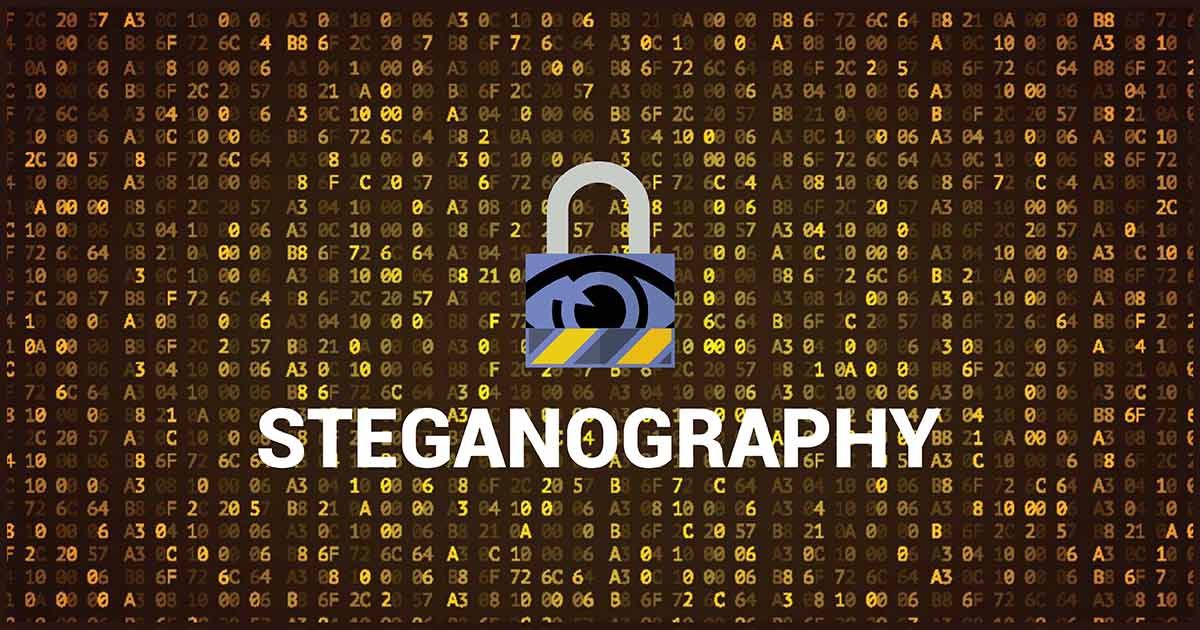
Steganography is the method used for hiding secret data inside another file. It is mainly used when a person wants to transfer any sort of data or secret messages to another person without revealing it to the third person. Steganography can be used to hide any type of digital data including images, text, audio, video, etc.

1. Steghide:
This steganographic tool helps to hide the data in various types of image and audio files. It is a command-line software where it is essential to learn the commands to use it effectively. The color or sample frequencies are not affected while using steghide, therefore the image or audio file won’t be detected. The default encryption is 128 AES (Advanced Encryption Standard) and also it gives an option to change it into another algorithm. Features of steghide include the compression and encryption of the embedded data and an automatic integrity-checking system using a checksum. Steghide only works with AU, VMP, JPEG, or WAV files.
Some useful commands include:
● Info, –info – To see the information about a steganographic file.
● encinfo, –encinfo – To see the available encryption algorithms and modes.
● license, –license – To view the license of steghide.
● version, –version – To see the version of steghide and some related information.
2. Exif tool:

Exif tool is a Kali Linux application that allows a user to view and manipulate the metadata of the image. An image can give tons of information like which device, ISO, date, time, lens type, flash settings, etc. This information can be extracted and modified using the Exif tool. Exiftool is also very commonly used for producing steganographic and open source intelligence challenges and is also used by students and professionals who play CTF challenges. ExifTool can also be used to embed command injection payloads into image files.
Some command features are as follows,
● exiftool | grep GPS – Extract GPS coordinates. The photographs we capture using our smartphones or camera have GPS coordinates embedded as metadata in the image files.
● exiftool -ThumbnailImage > – To extract the thumbnail image
● exiftool -v – Verbose mode. This generates extended information i.e. when we add [-v] to the exiftool command it will print out the comprehensive data about the process that it is performing.
3. Binwalk :
 Binwalk is an open-source steganographic tool for analyzing, reverse engineering and extracting firmware images. This tool automatically detects and extracts hidden files. It is designed for scanning a firmware image and searching for file signatures to identify and extract file system images, compressed archives, executable code, bootloader, and kernel images like JPEGs and PDFs.
Binwalk can collect file system images to extract documents out of it like hashes and password files (passwd, shadow, etc). It can be used to extract files from the image and search for backdoor passwords or digital certificates. Binwalk is a very useful tool used by developers, hackers, penetration testers, cyber security enthusiasts, etc.. Binwalk is embedded in several penetration testing tools such as the well known Kali Linux.
Read More about Creating a Strong Password Policy
Some of the common features include,
● binwalk -h – To display the help menu.
● binwalk –signature – To analyse the signature of the specified file.
● binwalk -A – This instructs binwalk to search the specified file for executable instruction codes common to a variety of CPU builds.
As mentioned above Steganography is the tool to conceal any kind of data or file and can send it to another person secretly. Steganography aims to hide messages in such a way that no one apart from the intended recipient knows that a message has been sent. In a way, this method can be used to store data, from any other source of attacks.

 Proactive Threat Hunting for UAE Enterprises: Finding Attackers Before They Strike
Key Takeaways: Proactive threat hunting is not the same as traditional monitoring. Monitoring waits for the alerts, while threat hunting actively searches for signs of attacker behaviour that may not trigger automated detection. For UAE enterprises, threat hunting is becoming more important because attacks are shifting from simple malware to credential abuse, ransomware preparation, cloud […]
 CERT-IN Empanelled VAPT: Why Indian Companies Should Choose CERT-IN Approved Firms in 2026
Key Takeaways: Running a VAPT with a CERT-In empanelled firm means your security testing is backed by a standard that regulators and enterprise clients in India actually recognize, not just a vendor promise. When sensitive data and critical systems are involved, a CERT-In empanelled VAPT provider gives Indian companies compliance readiness they can demonstrate, not […]
 SOC 2 Type I vs Type II Timeline: How Long UAE Companies Actually Need
Key Takeaways: SOC 2 Type I vs Type II timelines differ and it is mostly based on audit depth. Type I checks if controls are well-designed at a given point in time. Type II goes a step further and it proves those controls worked consistently over a defined period. For UAE SaaS companies, Type I […]
 AI Security Testing for US SaaS Platforms: NIST AI RMF and What 2026 Standards Require
Key Takeaways: AI security testing for SaaS platforms isn’t just a technical upgrade from traditional app security. It’s a completely different job. You’re not running a scan on code, you’re stress-testing a model to see how it breaks when someone is actively trying to make it fail. NIST AI RMF isn’t law yet, but your […]
 SOC 2 Compliance for DIFC and ADGM-Registered Companies: What’s Different?
Key Takeaways: SOC 2 isn’t a regulatory requirement in DIFC or ADGM but if you’re dealing with enterprise clients, investors, or international partners, it is quickly becoming something the market expects anyway. DIFC and ADGM have their own data protection frameworks, but SOC 2 goes further, it asks whether your security, privacy, and operational controls […]
 How Indian SaaS Enterprises Can Defend Against Ransomware in 2026
Key Takeaways: Ransomware defense for Indian enterprises in 2026 is identity-driven, which is not just malware-driven, access control is your first and most critical line of defense. Effective ransomware defense requires detection and response speed, not prevention tools alone. How fast you contain an attack determines the level of damage. Backup validation is as critical […]