


Managed Threat Hunting Services for Indian Enterprises
Uncover attacker activity, reduce dwell time, and respond before cyber incidents affect operations with managed threat hunting services in India.
Why Indian Enterprises Need Managed Threat Hunting Services
Indian organizations have quickly adopted cloud platforms, digital payment methods, remote work practices, APIs, SaaS applications, and third-party interfaces. While this speeds up commerce, it also increases attack surface simultaneously.
Attackers utilizing advanced techniques can bypass existing security controls, remaining undetected within enterprise environments. SIEM alerts, endpoint tools, firewall logs, and automated detections aren’t just enough to track undetected threats and prevent consumer data exposure, account takeover, ransomware deployment, intellectual property theft.
Wattlecorp’s managed threat hunting services, India, aim to bridge this visibility gap by aggressively hunting for attacker activity signals throughout your environment to empower your team to discover and respond to suspicious behaviours and insider dangers with confidence.
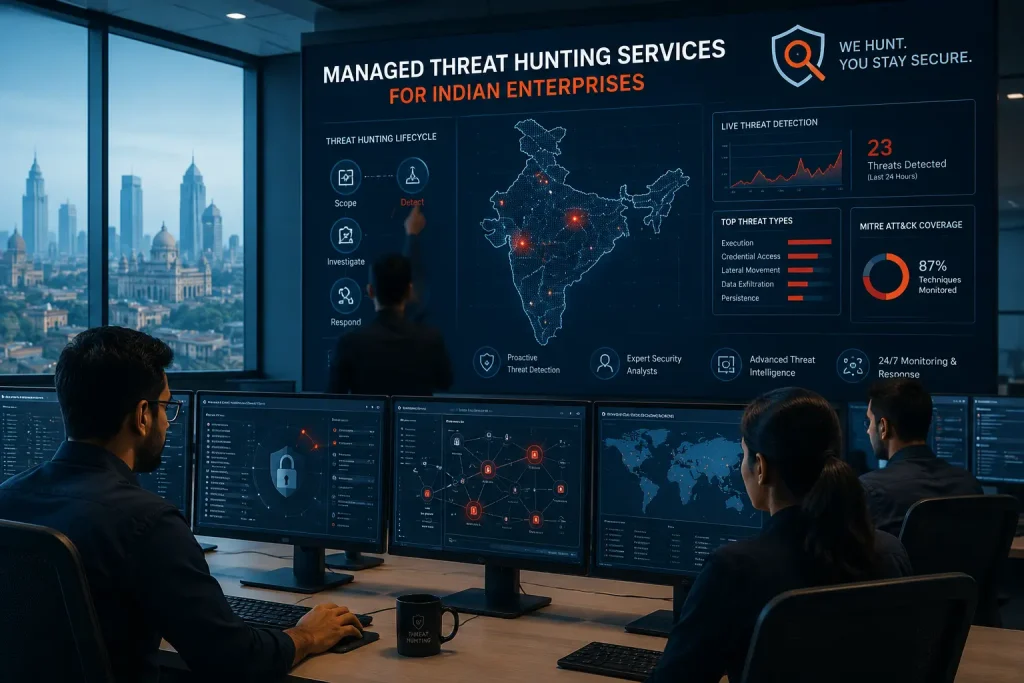
What Our Managed Threat Hunting Services India Do?

Threat Landscape Evaluation
We assess your present infrastructure, attack surface, security tools, log sources, endpoint coverage, cloud workloads, identity systems and business-important assets. This helps establish where attackers are most likely to hide.

Hypothesis-Based Threat Hunting
Our analysts develop threat hypotheses based on attacker methods, recent threat intelligence, industry exposures and your infrastructure.

Attack Pattern Analysis
We evaluate anomalous authentication activity, privilege abuses, persistence, lateral movement, command-and-control activities, and suspicious endpoint behaviour.

Endpoint, Identity, and Cloud Analytics
We analyze endpoint telemetry to look for anomalous user activity, identity access, cloud activity, email security signals, and network indications. “Low and slow” attacks like these often evade traditional alert-based detection, requiring behavioural analysis to identify threats beforehand.

Threat Validation & Investigation
We perform a structured analysis to validate every suspicious activity detected, map attacker activities, analyze business impact and identify affected assets, thus filtering false positives from true dangers.

Report
We prepare clear, evidence-based reports that contain findings, their severity, affected systems, indicators of compromise, and investigation notes, highlighting remedial steps.
How Our Managed Threat Hunting Process Works

Scoping
We identify business important systems, log sources, security tools, cloud platforms, identity providers, endpoints and network segments to be part of the threat hunting activity.

Evaluation
Our experts evaluate your current detection capabilities, visibility gaps, logging maturity, security measures and high-risk areas for further research.

Hunt
We undertake analyst-driven threat hunting by utilizing threat intelligence, behavioural analytics, and environmental telemetry to uncover unusual activity, attacker techniques, and indicators of compromise (IoCs).

Check
Detected abnormalities are validated using correlation, evidence review, chronology analysis and attacker behaviour mapping.

Report
We produce executive-friendly technical reports that allow security, IT, compliance, and leadership teams to properly comprehend the risk.

Remediation
We offer remediation guidance to your team, targeted to improving detection and follow-up validation where necessary.
Business Advantages from Managed Threat Hunting Services in India
- Detect hidden hazards before they become security incidents
- Enhance visibility across endpoint, cloud, identity, and network environments
- Limit dangers associated with credential abuse, data breaches, and ransomware
- Enhance security operations with expert investigation
- Improve audit preparedness and client security confidence
- Ensure operating effectiveness of current threat detection tools
- Support security monitoring, incident detection, and broader compliance and risk governance objectives
- Reduce alert fatigue by correlating on real attacker behavior
- Build higher cyber resiliency

Industry Use Cases for Managed Threat Hunting Services in India
- Payment, Wallet, and Customer Identity Solutions within BFSI and FinTech SaaS firms catering to both Indian and worldwide enterprise customers
- Health and health-tech platforms that handle sensitive patient data
- Manufacturing companies with IT, OT and supply chain dependencies.
- Large companies preparing for audit, vendor review, or cyber insurance conversations

Why Choose Wattlecorp?
Listen to People
We help companies to protect their online assets.
Checkout our Services
F.A.Q
We have something for everyone, including pricing and answers.
Tip • Book a consultation to get personalised recommendations.
1. What are Managed Threat Hunting Services in India?
Managed threat hunting services for Indian enterprises involve proactive searching for hidden risks, suspicious activity and attacker behaviour that might be missed by automated technologies by combining threat intelligence, expert analysis, log review, and cloud telemetry (activity) analysis to offer visibility across endpoints, identities, cloud workloads, network activity, and user behaviour.
2. Why do Indian firms require managed threat hunting?
Ransomware, phishing, credential theft, cloud misconfiguration, insider threats and supply chain attacks are all rising concerns to Indian companies. Managed threat hunting identifies early indicators of a compromise before it causes business disruption, data exposure, or reputational harm.
3. What is the difference between threat hunting and SIEM monitoring?
While SIEM monitoring mostly focuses on notifications and specified rules, threat hunting involves a human-driven process that proactively searches for hidden, advanced threats (aberrant behaviour, attacker techniques, etc.), which successfully bypassed into automated defenses.
4. How often should we do threat hunting?
The frequency of committing to threat hunting highly depends on your company’s risk profile. This is besides our recommending a continuous or 24-hour check, especially for organizations handling sensitive data, cloud infrastructure, transaction traffic, or are facing regulatory exposure to a significant extent. Many Indian organizations are now conducting continuous threat hunting to improve visibility, minimize attacker dwell time, and strengthen incident detection.
— One more step —
Start your Managed Threat Hunting Services
All you need to do is fill the form below.
Recommended Services
Officially recommended by Hackers.

Vulnerability Assessment and Penetration Testing
Find security flaws in online applications, APIs, networks, mobile apps and cloud environments.

Managed
security services
Gain expert support to transform your continuous monitoring, alert triage and security operations maturity.

Cloud Network Security Services
Prevent misconfigurations, restrict inadequate access, and minimize exposure risks from your AWS, Azure, and Google Cloud environments.
Recent Articles
stay up to date with recent news.
-
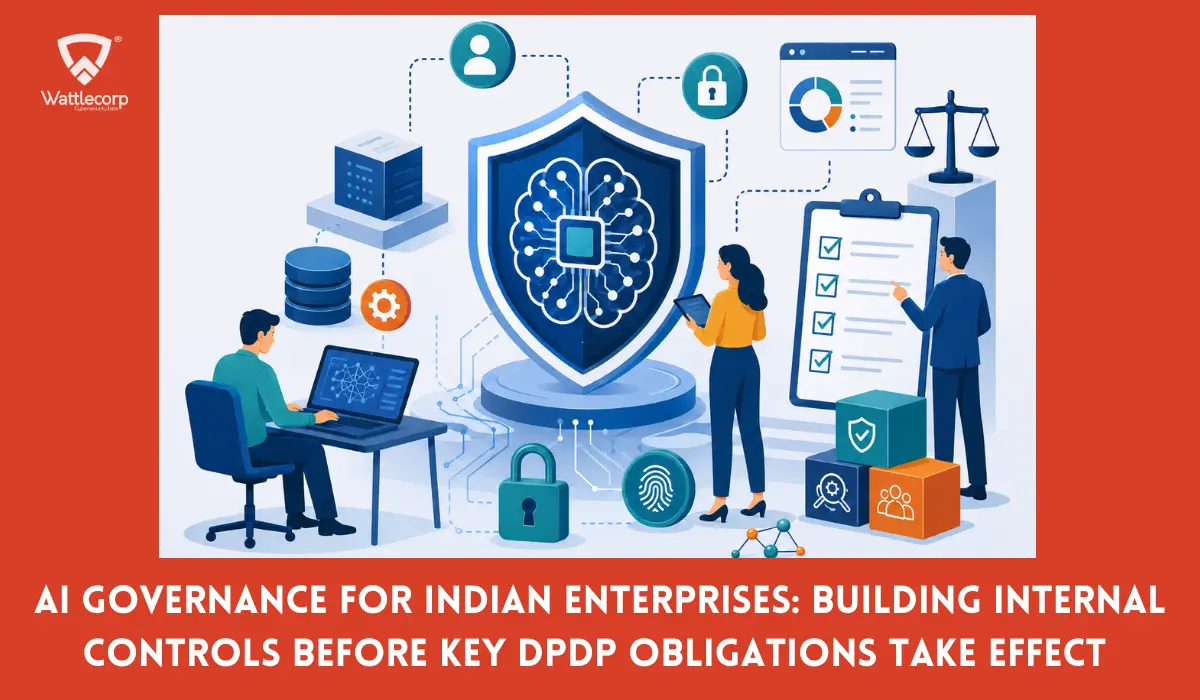
AI Governance for Indian Enterprises: Building Internal Controls Before Key DPDP Obligations Take Effect
Key Takeaways: The DPDP Act does not contain AI-specific provisions. Its requirements, however, apply in situations when an AI system processes digital personal data within its territorial and material scope. India is working on building a broader governance framework around safety, accountability, transparency and trust via programs like the IndiaAI Mission. Indian organizations should inventory…
-
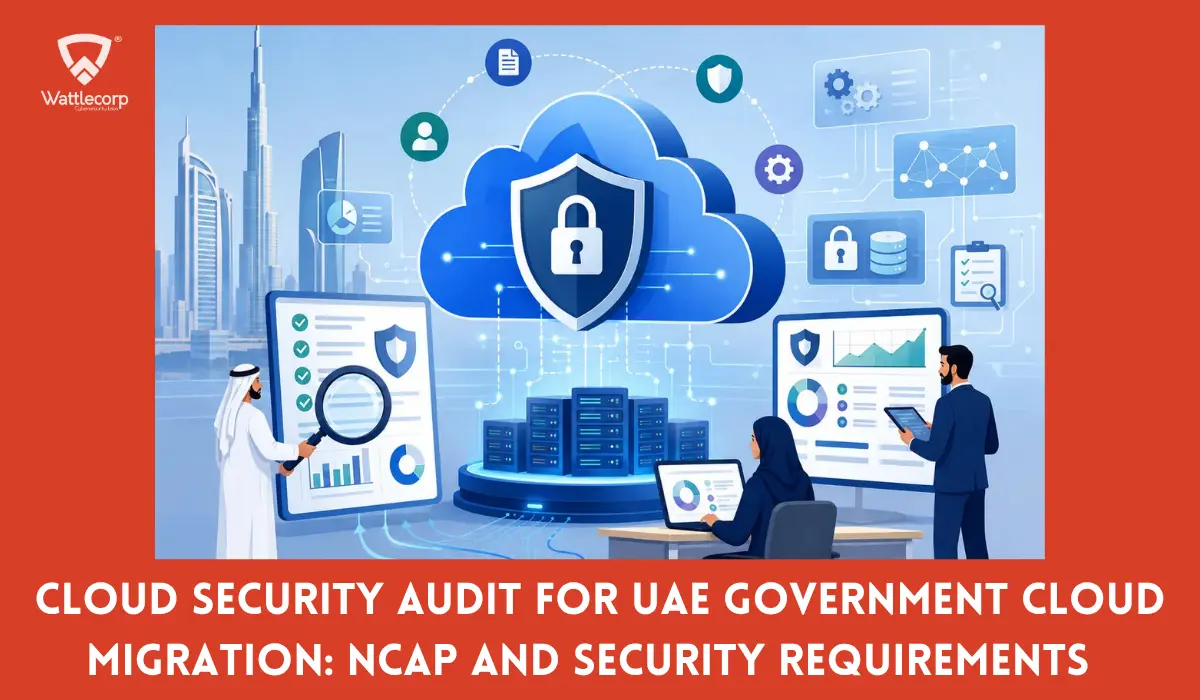
Cloud Security Audit for UAE Government Cloud Migration: NCAP and Security Requirements
Key Takeaways: A cloud security audit UAE helps government entities identify security, governance, configuration, access, data-protection and resilience gaps, before and after shifting critical workloads to the cloud. UAE National Cloud Security Policy has defined cloud governance, data security, data sovereignty, IAM, incident management, resilience, portability and cloud operations requirements. The National Cyber Accreditation Program…
-

Data Privacy Consulting UAE – Building a PDPL-Compliant Data Governance Program
Key Takeaways: PDPL compliance requires ongoing operational governance that goes beyond policies to demonstrate how personal data is collected, used, protected, transferred, retained, and deleted. Data mapping helps businesses move from reactive compliance to proactive risk management by establishing a comprehensive inventory of the data ecosystem, helping build a mature data privacy and governance program.…
-
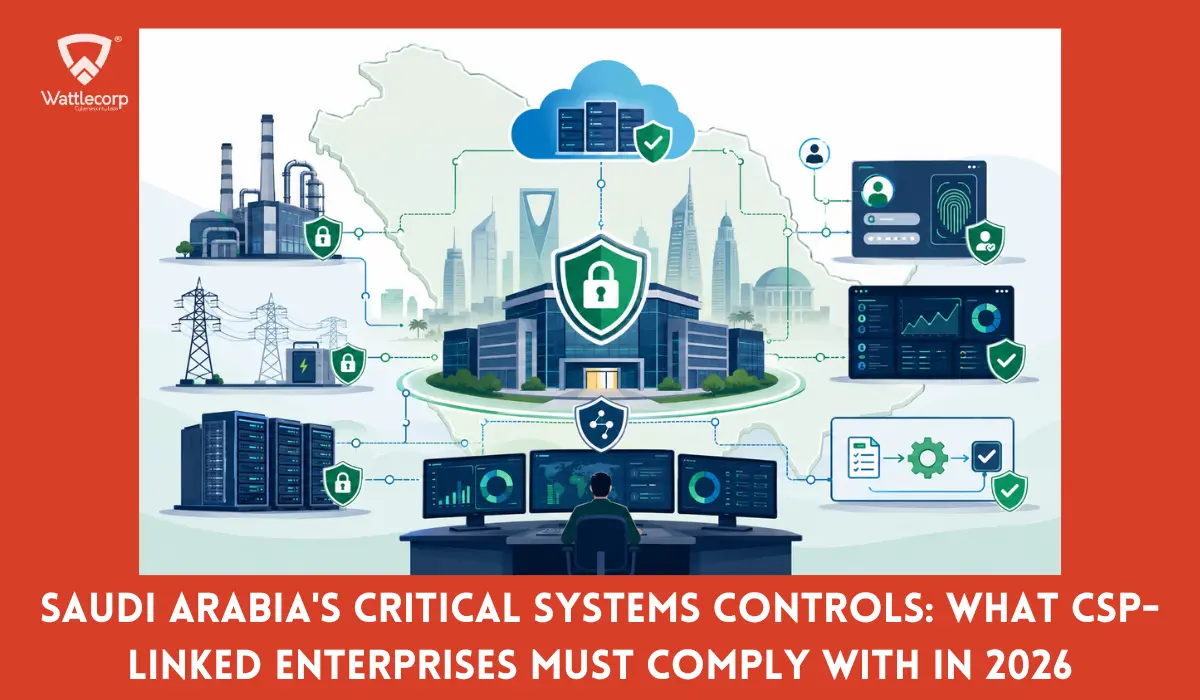
Saudi Arabia’s Critical Systems Controls: What CSP-Linked Enterprises Must Comply With in 2026
Key Takeaways: The Critical Systems Cybersecurity Controls (CSCC) are more applicable to critical systems than to all IT assets owned or operated by an organization. To be in full compliance or to remain in full compliance with CSCC, organizations must maintain continuous adherence to NCA ECC. CSCC has 32 core controls and 73 sub-controls across…
