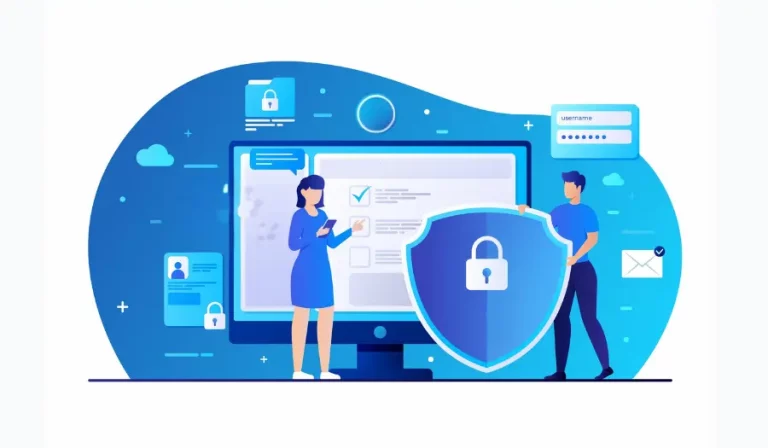


Data Breach Prevention Strategies and Best Practices In 2025
Data makes the world go around. This holds to a large extent, at least in our current world of highly sophisticated technologies.
From an organizational standpoint, data enables you to establish and monitor your goals, standards, and business processes. If the data you have is reliable, it helps you measure your business endeavors accurately to ensure that you are sticking to the growth strategies you’ve outlined for your business.
What Is A Data Breach, And Why Must It Be Avoided?
A data security breach happens when the security measures put in place to protect organisations’ sensitive internal data are penetrated and unauthorized agents access it.
These malicious users can then manipulate your data, leak it, or disrupt it in any way they choose, thus affecting your business in various undesirable ways, such as IT system disruptions or disclosing sensitive information.
It will come as a blow if your enterprise data falls into the wrong hands or if your user data is accessed by agents with malicious intent. In addition to legal, financial, and reputational damage, you also stand to incur remedial expenses. And that still won’t guarantee that your business can bounce back from a disastrous data breach if the breach is extensive and goes deeper than remedial measures can fix.
In short, it is not possible to calculate the exact risks associated with data security breaches, as it will vary from organization to organization and the nature and depth of the data breach attack.
So the only thing you can do is not wait for a data breach, and take countermeasures for all possible breaches, regardless of whether or not they happen.
Data Breach Prevention – Best Practices In 2024
Here are some of the best data breach prevention strategies you should follow to ensure data breach prevention:
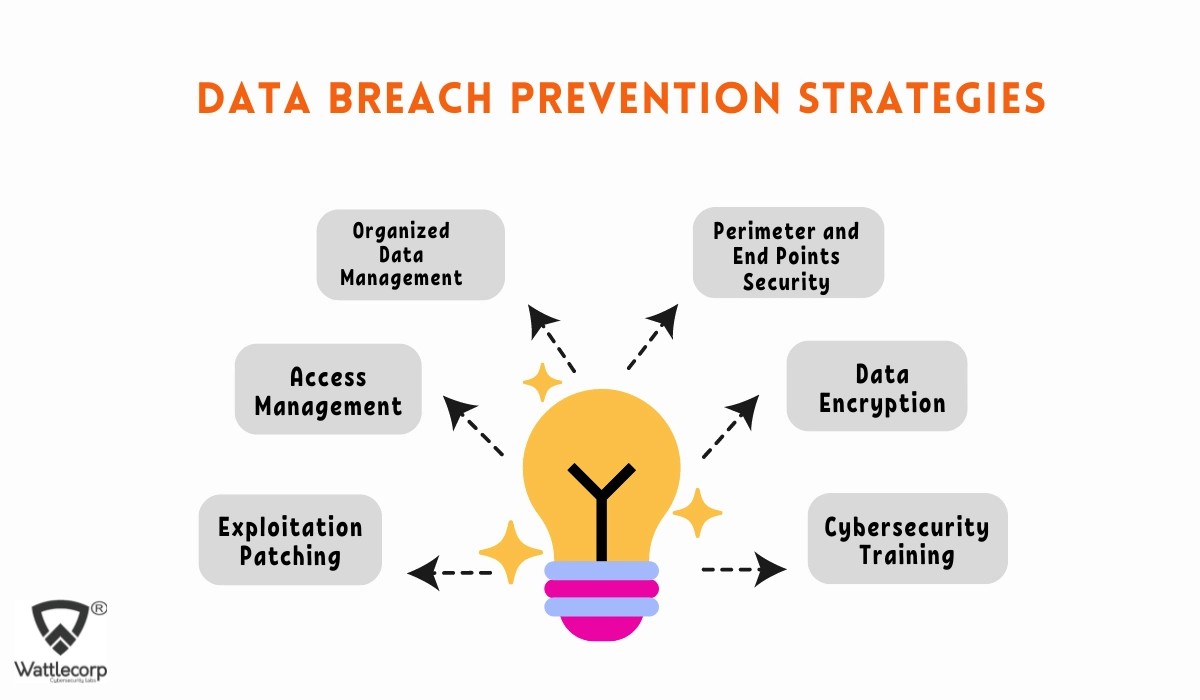
1. Organized Data Management
Before you take steps to protect your organizational data, you must first have a thorough understanding of what and where your data is. So a good practice would be to inventory all your data assets and know where your sensitive data is stored. Make sure that this data inventory is kept up to date by reviewing it periodically to add new data and remove redundant data as and when required.
2. Access Management
Give access and privileges only to those employees who need it to avoid putting your sensitive data at risk. As part of this data breach prevention solution, you should put policies in place that will regulate the data access granted to your employees. You can also opt for leveled access to privileged personnel with the help of access and privilege management tools.
3. Exploitation Patching
When you discover a vulnerability that can be exploited to breach your data, patch it immediately. A good data breach prevention plan will ensure that it is your IT team’s top priority to patch vulnerabilities the second they are discovered and avoid zero-day vulnerability security threats.
4. Perimeter and End Points Security
Your network perimeter security is your first line of defence against any external data breaches. So, make sure your firewalls are always up and running and your network intrusion detection systems are top-of-the-line. Additionally, employ endpoint security controls, like malware detection software, to safeguard your data.
5. Data Encryption
Make sure all your data, whether stored, transferred, or in transit, is properly encrypted to make it harder to access and tamper with. This should be strictly employed for all data, and more importance should be given to sensitive data.
6. Cybersecurity Training
Prevention is always better than cure. Make time to give all your stakeholders, such as employee personnel and contractors, the required cybersecurity training so that they are aware of the different ways external threats may try to penetrate your security defences and know how to detect a data breach early.
Most Common Types Of Data Breaches
Data security breaches can come in many forms, and given below are some of the most common types of data breaches that you need to stay alert about, regardless of the industry you are in:
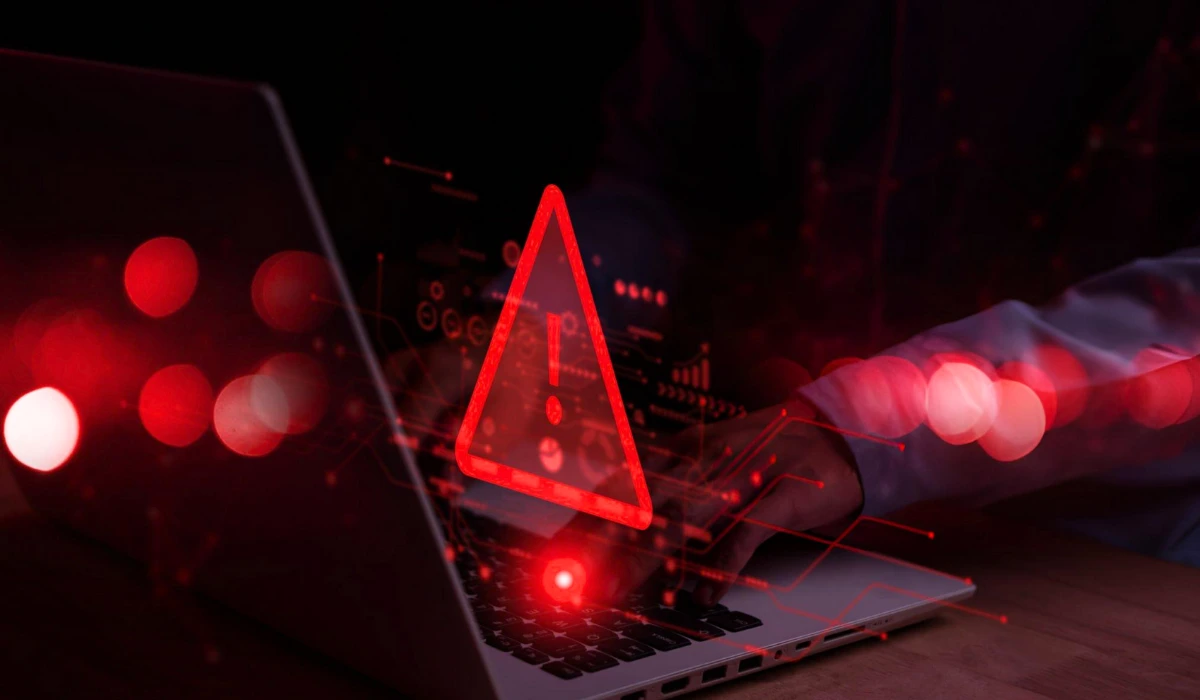
1. Social Engineering Attacks
Social engineering attacks are one of the most common methods used to try and breach your data security, and they rely on manipulating individuals into giving up sensitive information, which is then used for malevolent purposes. Social engineering attacks can come in any form and can be potentially harmful to your organization’s security if your employees are not always on alert for them.
The attacks play on the psyche of the individual and can be as simple as dropping a corrupted USB drive in a parking lot. When the unsuspecting employee picks up and inserts the USB into an organizational system, the damage is done. It can lead to data breaches that can have very bad ramifications.
2. Phishing Attacks
Phishing attacks are another common method of trying to breach the data security of an organization. These can come in the form of communication that looks like it’s coming from an authentic source but is actually sent by hackers. Text messages, emails, or even websites with malicious links embedded in them are sent out, and when the unsuspecting user clicks on these links, it opens up malware that can corrupt your network system and give the hacker access to the data management system. Phishing attacks help hackers steal credentials and also enable identity theft.
3. Attacks Using Malware
Malware, or malicious software, is introduced to the network systems of organizations through various methods, and once this malware takes root and starts infecting the IT environment, it is easy for hackers to steal data files, corrupt data management systems, expose sensitive information and even encrypt important data to hold for ransom. Malware attacks can result in data loss, financial and legal repercussions, and disrupted systems.
4. Breaches in Access Control
Breaches in access control can be facilitated by unauthorized users who use a combination of phishing and malware attacks to break the defences of restricted data systems and then proceed to exploit the sensitive data they come across in malicious ways that will cause your organization financial and reputational damage.
5. Password Cracking and Keystroke Logging
When you forget the new password you set for your phone, what do you do? You try different combinations that make logical sense to you based on the previous passwords you created till you hit the correct one, right? This is basically how password-guessing attacks work.
The attacker will try every conceivable combination of your digital lock until they get the right one, and as crude as this manual technique sounds, it is still effective. The only way to deter password guessing and keystroke logging attacks (where keyloggers catch and record what you type and then use that to facilitate data breaches) is to have strong passwords with multi-factor verification.
6. Attacks on Supply Chain
Supply chains are the backbone of most organizations and as such, when the supply chain software service provider is compromised, the business can very well grind to a halt. Trackers can then use their illegal access to steal or manipulate customer information, which disrupts core business activities.
7. DoS (Denial-of-Service) Attacks
DoS attacks, or denial of service attacks, work to disrupt business services and can cause unprecedented harm to a business in terms of financial losses and tarnish its reputation in the eyes of loyal customers. To perpetrate DoS attacks, the attackers will inundate the website servers of a business (for example) with large-scale traffic using bots, which will in turn affect the server capacity of the website and make it unavailable to actual customers.
8. Physical Security Breaches
The physical components of an IT system, such as the data storage devices, for example, are just as susceptible to attacks as the software systems. Attackers can breach physical systems and then use the access gained to steal data, disrupt business operations, or corrupt business software.
9. Insider Threats
A disgruntled employee with the right accesses and permissions is all it takes to bring down your security systems. Such personnel can not only facilitate data breaches but can also use (or rather misuse) the confidential information that they have access to in ways that will sabotage the safety of your organization as well as that of your clients. It can lead to the stolen data being leveraged against your company, or result in theft of intellectual property that can leave a detrimental mark.
There is no such thing as too much security when it comes to protecting and safeguarding your data against cyber attacks and the cost of a data breach far outweighs the cost of preventing one. In addition to the above-mentioned steps, you can also employ data breach prevention techniques like limiting lateral movement, enforcing strong password policies, and monitoring your IT infrastructure continuously with the latest data breach prevention tools.
Frequently Asked Questions (FAQ’s)
The most common types of data breaches include phishing attacks, malware attacks, and social engineering attacks.
A foolproof data breach response plan should include pre-planning exercises that clearly define the response teams and roles and responsibilities of each personnel, and must include a secure communications plan.
Different types of data breaches include data breaches using malicious software, insider data breaches, external data breaches, supply chain breaches, and DoS attacks.
Businesses should use a multi-layered security approach while preparing their cyber defences, which includes employee cybersecurity training awareness for all the business stakeholders that spreads awareness about common cyber threats like phishing, keystroke logging, and social engineering scams.

 SOC 2 Type I vs Type II Timeline: How Long UAE Companies Actually Need
Key Takeaways: SOC 2 Type I vs Type II timelines differ and it is mostly based on audit depth. Type I checks if controls are well-designed at a given point in time. Type II goes a step further and it proves those controls worked consistently over a defined period. For UAE SaaS companies, Type I […]
 AI Security Testing for US SaaS Platforms: NIST AI RMF and What 2026 Standards Require
Key Takeaways: AI security testing for SaaS platforms isn’t just a technical upgrade from traditional app security. It’s a completely different job. You’re not running a scan on code, you’re stress-testing a model to see how it breaks when someone is actively trying to make it fail. NIST AI RMF isn’t law yet, but your […]
 SOC 2 Compliance for DIFC and ADGM-Registered Companies: What’s Different?
Key Takeaways: SOC 2 isn’t a regulatory requirement in DIFC or ADGM but if you’re dealing with enterprise clients, investors, or international partners, it is quickly becoming something the market expects anyway. DIFC and ADGM have their own data protection frameworks, but SOC 2 goes further, it asks whether your security, privacy, and operational controls […]
 How Indian SaaS Enterprises Can Defend Against Ransomware in 2026
Key Takeaways: Ransomware defense for Indian enterprises in 2026 is identity-driven, which is not just malware-driven, access control is your first and most critical line of defense. Effective ransomware defense requires detection and response speed, not prevention tools alone. How fast you contain an attack determines the level of damage. Backup validation is as critical […]
 AI Security Risks in Saudi Banking: What SAMA Expects from FinTech and Banks in 2026
Key Takeaways: AI Security Risks in Saudi Banking are expanding faster than most existing cybersecurity programs can handle, and the gap is widening with every new deployment. SAMA regulations do not currently include a standalone AI cybersecurity rulebook; banks and FinTechs should assess AI use cases against applicable SAMA Cyber Security Framework control areas to […]
 DIFC Data Protection Law Amendment Guide for Dubai Financial Firms
Key Takeaways: The DIFC data protection law amendment has raised compliance obligations significantly, firms relying on their pre-amendment posture are already exposed. DIFC Data Protection Law operates independently from UAE federal data protection law; financial firms within the Centre must meet its specific requirements directly. The Commissioner of Data Protection holds real enforcement authority, documentation […]