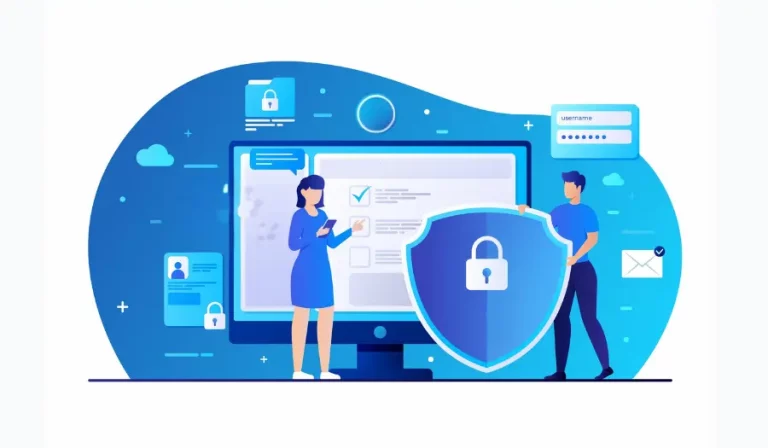


5 Sure-fire Ways SaaS Companies Can Reduce Cybersecurity Costs

Cybersecurity is crucial for any company. In fact, the pressure is getting greater as users access more technology, and the growth of smartphones and tablets has made this problem even worse. For SaaS businesses, the security of their customer data is one of their top priorities. But that doesn’t mean they need to pay a fortune to secure it. Here are 5 ways SaaS companies can reduce their cybersecurity costs.
In fact, our clients actually devised these strategies to save 5x on their cybersecurity costs.
1.Prioritize The Prevention Of Cyberattacks
SaaS founders tend to focus on hiring a cybersecurity specialist only when they feel there’s a vulnerability in their system. This is not a recommended strategy since you will need more money and time to detect and fix a vulnerability than to prevent it.
In our experience working with many reputed SaaS companies worldwide, bringing on board a dedicated cybersecurity team to prevent the possibility of a cyberattack is a more efficient way to manage the safety of your digital assets. Plus, it helps you save money and time. Better safe than sorry is the best equation your SaaS business can adopt now.
2. Hire A Professional Cybersecurity Team
One of the mistakes SaaS companies make is trying to set up an in-house cybersecurity team. Since cybersecurity is a vast domain that demands different types of skills – from hacking to coding, it’s more expensive to hire people for each skill. In most cases, your budget won’t be enough to cover their salaries. This is because you will need to pay each team member separate salaries.
On the other hand, hiring a third-party cybersecurity team can save you up to 5x on costs and reduce cybersecurity risks, keeping your business safe. At Wattlecorp, we offer all-around cybersecurity services customized to the needs of SaaS companies dealing with different types of data.
3. Understand Your Cybersecurity Requirements
Before you think of implementing a solid cybersecurity plan for your SaaS business, take time to assess your cybersecurity requirements. This will help you understand where will you need to invest your money. To do that you can proactively seek the help of a cybersecurity consultant. It will give you a clear idea about the goals of your cybersecurity efforts.
When you know the requirements, you will be able to spend your money wisely on the tools and technologies you need to build your cybersecurity strategy.
4. Conduct Yearly Risk Assessments
SaaS founders and C-suite executives often get super busy that they don’t find enough time to run yearly cybersecurity risk assessments. This is one of the grave mistakes they make since it impacts their business, costing them money and time.
However, conducting regular risk assessments can help you spot the vulnerabilities in your system, determine new security requirements and take preventive measures. Hiring a cybersecurity team will let you run standardized risk assessments and eliminate any possibility of a potential vulnerability.
5.Educate Your Employees
A single data breach can put your SaaS business at risk, causing a massive dip in revenue, number of customers, and brand reputation. And the average cost of a data breach is about $3.92 million.
Here’s a shocking fact:
A whopping 82% of data breaches happen due to human error. A human error can be anything – from making a mistake while working on a task to failing to follow a standard procedure.

The only way to prevent or reduce the risk of data breaches due to human error is by educating your employees on cybersecurity best practices. You can conduct regular cybersecurity training for your team to help them learn the important aspects of managing and using data.
Hire cybersecurity experts to train your employees and make them aware of possible risks associated with mishandling data. This will drastically reduce the chances of cybersecurity breaches arising from human error. For example, our Annual Security Program helps your in-house developers write clean and vulnerability-free code.
Conclusion
Reducing the cost of your SaaS cybersecurity efforts is easy when you have a dedicated third-party cybersecurity that offers varying expertise to offer you a seamless way to keep your digital assets safe. At Wattlecorp, we have helped many SaaS founders build foolproof cybersecurity solutions. If you have a requirement, feel free to reach out to us now.

 Qatar Cybersecurity Boardroom Accountability: Why QCB and NCSA Now Expect Executive Ownership
Key Takeaways: Cybersecurity in Qatar is increasingly becoming an executive governance responsibility, with national cybersecurity initiatives and sector-specific requirements encouraging organizations to establish stronger leadership oversight. QCB and NCSA play important roles in strengthening cybersecurity governance in Qatar, with QCB focusing on financial sector requirements and NCSA supporting national-level cybersecurity coordination and guidance. Executives can’t […]
 Data Privacy Consulting for Saudi Enterprises: How to Operationalize PDPL Data Subject Rights in 2026
Key Takeaways: The Saudi data protection law may apply to organizations outside the Kingdom when they process personal data related to individuals in Saudi Arabia, meaning geographic location alone does not automatically exclude an organization from PDPL obligations. PDPL data subject rights span access, correction, deletion, and consent withdrawal, and enterprises are on the hook […]
 Third-Party Vendor Security Risk Assessment Under DPDP: A Guide for Indian Enterprises
Key Takeaways: Third-party vendor risk assessment with DPDP practices helps Indian enterprises to verify that external partners handle personal data with adequate safeguards. The Digital Personal Data Protection Act holds data fiduciaries accountable for vendor conduct, which makes due diligence a legal and operational necessity. A structured vendor security questionnaire, covering encryption, access control, and […]
 Virtual CISO Services for UAE Free Zone Startups: Affordable Security Leadership for Growing Companies
Key Takeaways: Most startups already hold sensitive data such as customer info, source code, financials, long before they feel big enough to take security seriously, and that’s exactly when the risk starts. A virtual CISO gets you someone who’s done this before, setting up strategy and guiding compliance, without the cost of putting a full-time […]
 SOC as a Service for Indian BFSI and FinTech Companies: 24/7 Monitoring for CERT-In Readiness
Key Takeaways: SOC as a Service for BFSI and FinTech India gives banks, NBFCs, insurers and digital lenders continuous security visibility without the cost and hiring effort of building an in-house operations centre. CERT-In directions require regulated entities to report qualifying cyber incidents within six hours of detection, and implementing SOC for BFSI and FinTech […]
 SOC as a Service in India: How It Works, Pricing, and Why Businesses Need It
Key Takeaways: SOC as a Service helps Indian businesses to get 24×7 security monitoring without huge cost and complexity of building a full in-house security operations center. A managed SOC check and analyse beyond basic log monitoring, which combining SIEM, threat intelligence, analyst-led alert triage, incident escalation, reporting, and security response support. SOC as a […]