
Why Should You Consider a Data Protection Officer Role in India?
Know why appointing a data protection officer is crucial for your business in India under new privacy laws.
With the growing number of tools and technologies like generative AI, there is an increase in challenges in businesses migrating to digital means. Due to this cause, there is a need for strict data privacy laws. To put those practices into action, you must have a clear understanding of the data protection officer role and its impact on your business.
At the recent meeting, India’s home secretary made an announcement stating the importance of cybersecurity. He addressed that all cities must assign a chief information security officer (CISO). Valuing the importance of data and the adverse effects breaches might cause, he urged tightening cybersecurity.
While strengthening security is a major concern, the rising need also has effects on bringing in a new role with more responsibilities. Whether your business deals with handling customer data, moving operations to the cloud, or integrating AI tools, you must have an expert to manage data privacy.
Who Is a Data Protection Officer?
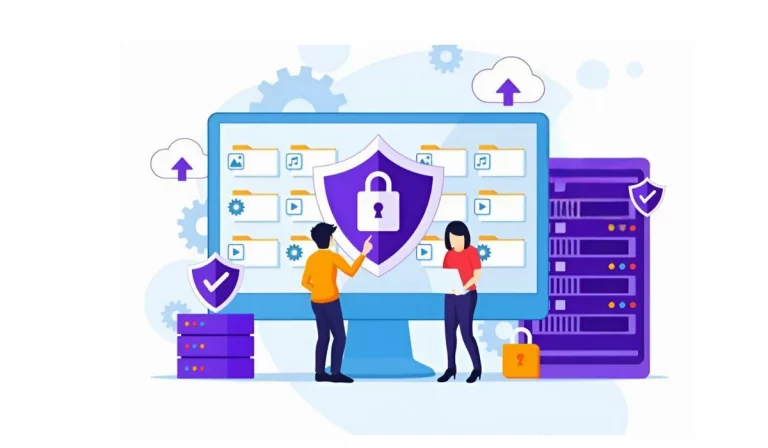
A Data Protection Officer (DPO) is a professional responsible for the personal data processed in a business. His duty is to ensure data safety and check if the privacy laws are followed.
They take actions so that your organization’s entire data practices are legal, ethical, and aligned with regulations like the GDPR (General Data Protection Regulation) in the EU.
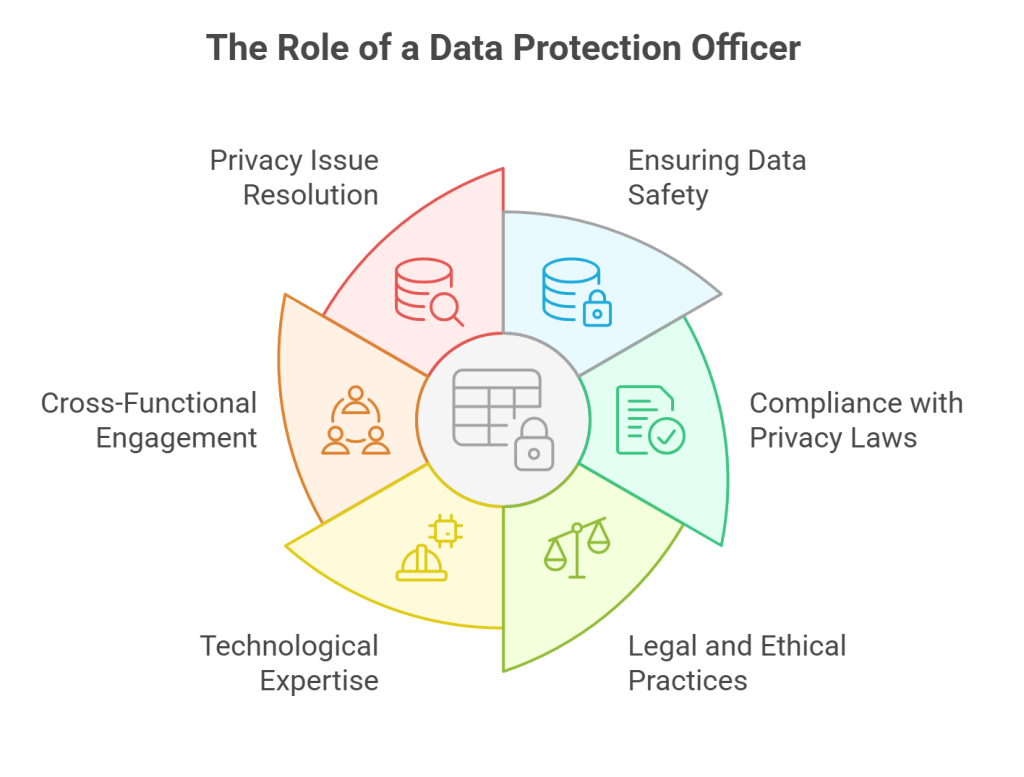
These officers are not meant to be legal advisors; rather, they must have deep knowledge of technology. They must also engage with cross-functional departments and often serve as the reliable source when privacy issues arise.
What is DPDP?
The Digital Personal Data Protection (DPDP) Act is India’s first comprehensive law focused on digitally accessible personal data. This law monitors and controls how businesses collect, use, store, and share digital personal data. It was introduced to close the gaps in older laws like the IT Act of 2000 and provide a clear, rights-based structure for data protection.
Businesses of any size must comply with this law, especially if it deals with personal data. Whether you are based in India or abroad, you must follow this regulation if you handle personal data of Indian residents.
Also Read : What SaaS Providers Need to Know About India’s Digital Personal Data Protection Act 2023
It’s applicable for any company of any industry that has access to or collects personal details of Indian residents. Here, the law is consent-driven. It implies that companies must obtain clear and informed permission from individuals before processing their personal data.
Why Is DPDP Mandatory For Your Business in India?
To Follow Legal Compliance
The DPDP Act states rules on how to collect , store and process data. If your business fails to follow these rules can charge you with hefty penalties and legal troubles.
Increase in Consumer Trust
When your customers know their data is safe and handled responsibly, they are more likely to trust your brand. Your transparency and consent management promotes confidence.
Avoids Penalties
The law imposes heavy fines and it can go up to ₹250 crore based on the gravity of the violation your businesses make. So if you are serious about avoiding such risks you need to maintain proper systems and policies in practice.
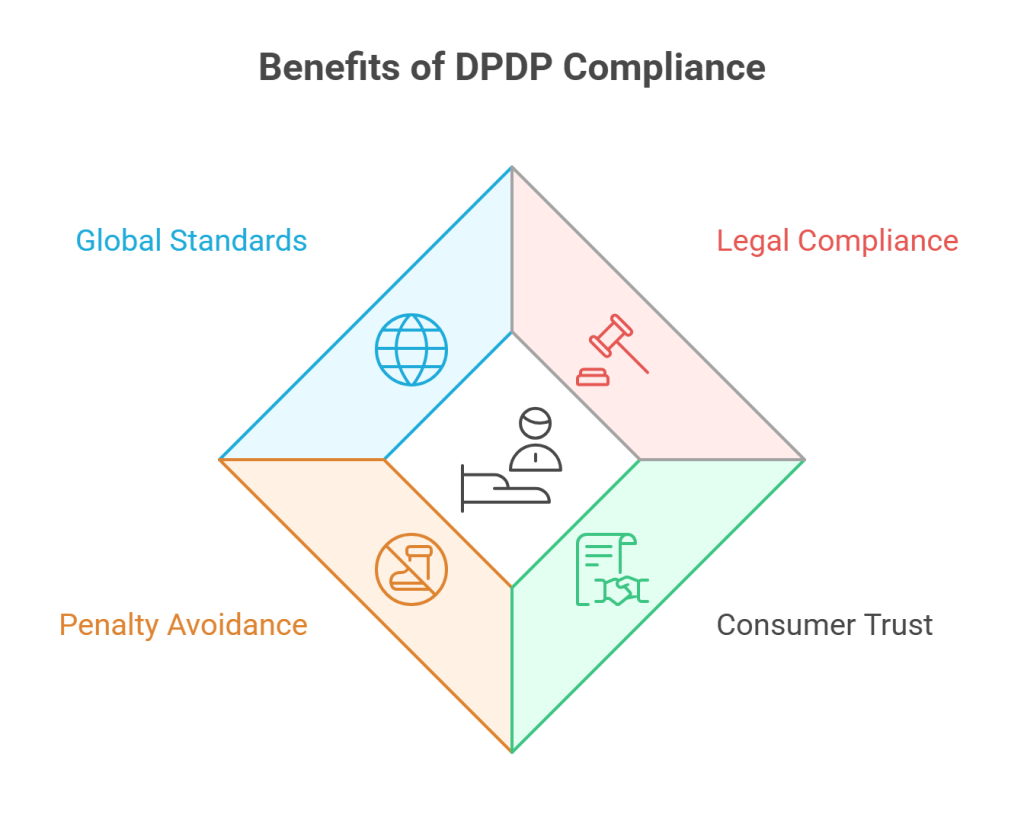
Abiding by Global Standards
The DPDP Act is modeled after global data laws like the GDPR. So, if you are already following international standards, adapting to DPDP will keep you competitive in your Indian market.
Why Do Companies Need a Data Protection Officer?
Helps follow privacy rules and avoid penalties
Every nation has their specific laws and terms to be followed. When we see globally, there is GDPR in Europe, PIPL in China, the California CPRA, Brazil’s LGPD, and several state laws in the U.S. And each business needs an expert to help them follow all the rules.
A data protection officer role ensures the organization doesn’t accidentally break laws and helps respond quickly if something goes wrong.
Trusted Business
When customers’ privacy are valued, they show trust. Acting upon this, the DPO works between the company, the data subjects, and regulators. If there is any instance of data breach or complaint, the DPO is the contact person who ensures the issue is handled properly and reported.
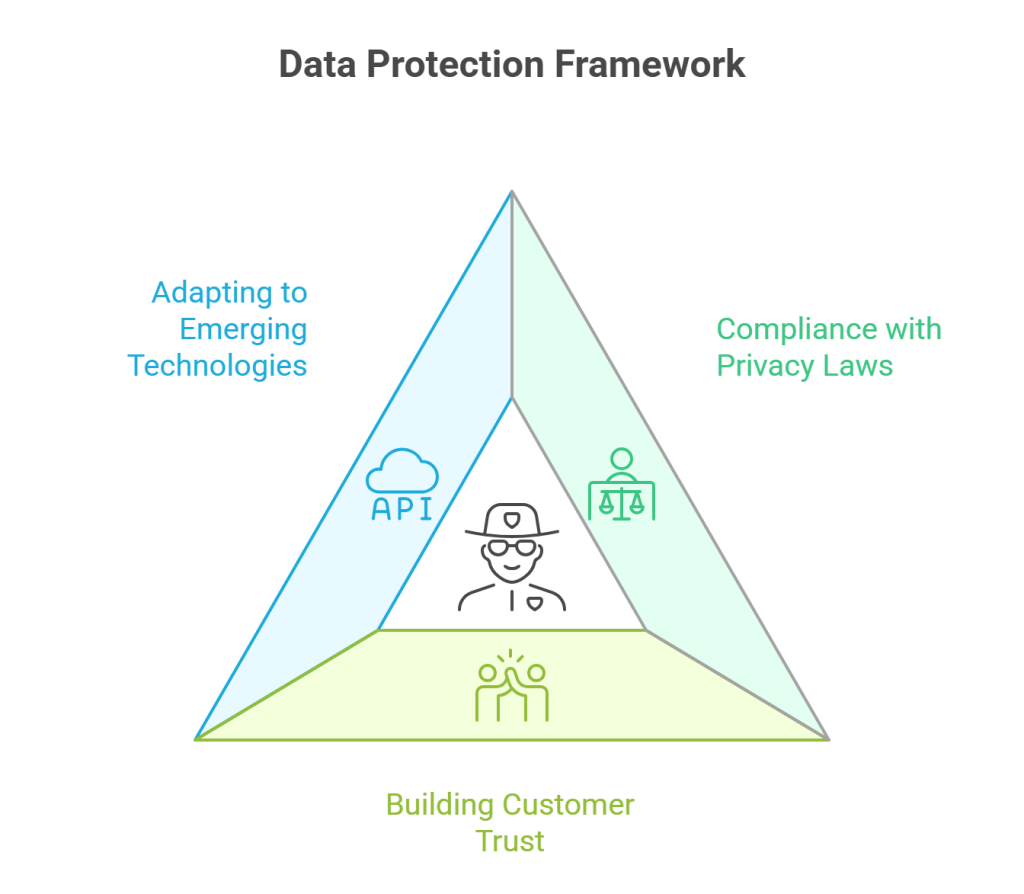
Up-to-date with tech and AI
With technologies like generative AI and ML being used to process personal data, new risks are emerging, like data bias, hallucinations, or data poisoning. The DPOs take leadership in responsible data handling and aligning with privacy laws.
What Are the Data Protection Officer Responsibilities in India?
Assess data usage
The DPOs perform Data Protection Impact Assessments (DPIAs) on your systems. During these tests, experts identify and reduce privacy risks before launching new projects. Even after the implementation, if there is a data breach, your DPO detects the issues and directs the reports to the respective authorities.
Tech Risk and Compliance Knowledge
A data protection officer needs to have a strong grasp of how an organization manages its technology, security, and data processes. This understanding helps them identify risks and guide the company in handling sensitive information responsibly.
Moreover, a DPO’s skillset must include knowledge about the latest tech tools. He should be efficient enough in ensuring the right policies and procedures. Along with technical insight, they must be proficient in data protection laws and compliance requirements across different regions and countries.
Also Read : SaaS Risk Assessment: Unveiling Key Security Blind Spots Neglected By Providers
Train and educate employees
The DPO helps everyone in the organization understand how to handle data safely. This includes regular training and awareness sessions so that staff members follow best practices like data protection by design and default.
Check Data Sharing and Storage
Monitoring how data moves between departments, partners, and systems is a core part of the data protection officer role. They audit the live processes to verify if the systems and the procedures followed meet all privacy and security obligations.
Communicate With Regulators
DPOs keep the regulatory authorities informed, especially when there’s an issue. This expert must understand which protocols apply and act quickly. In India, with increasing cyber threats, it’s essential for the DPO to have a clear response plan prepared.
Top Skills You Need in a DPO for Your Business in India
Hiring someone for the data protection officer role is not solely for the purpose of legal expertise by the business side. The ideal candidate should be comfortable wearing many hats including technology, compliance, communication, and strategy.
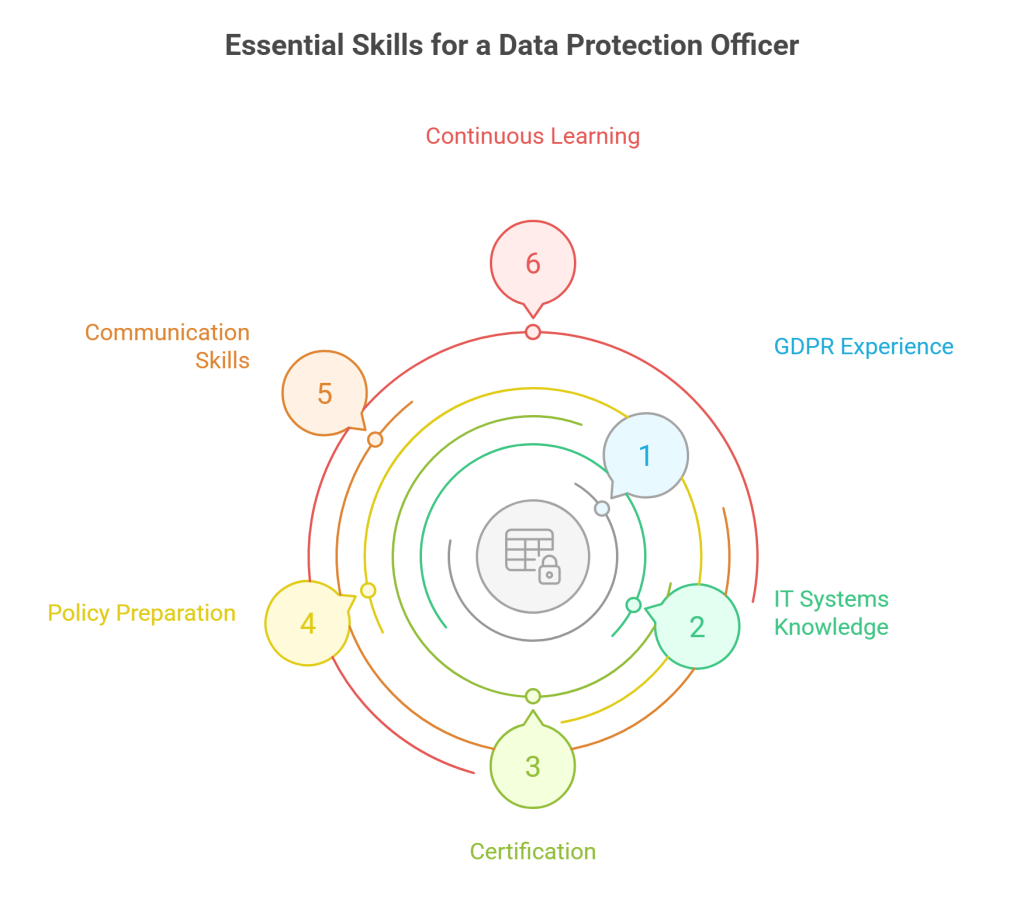
Look for professionals who have
- Experience with GDPR or global privacy laws
- Knowledge of IT systems, cybersecurity, and cloud infrastructure
- Certification from organizations like the IAPP
- Experience in preparing privacy policies and responding to regulators
- Strong communication and stakeholder management skills
- A keen interest to learn about new laws and tech trends
If you are looking to hire someone in the data protection officer role, it’s not mandatory to have a law degree. On the other hand, many DPOs come from mixed IT, compliance, or data backgrounds.
Choosing the right Data Protection Officer (DPO) is critical when the role is quite new and you need to find someone who truly understands your business, the data you handle, and the risks involved. A DPO should be a master in both legal and technical knowledge.
At Wattlecorp, we have in-house experienced data privacy professionals who are experts in India’s evolving data protection laws, including the DPDP Act. Whether you are required to appoint a DPO or simply want to strengthen your data governance, we are here to assist.
Data Protection Officer Role FAQs
1.What is the role of a Data Protection Officer (DPO) in India?
A DPO is responsible for overseeing how your business handles personal data collected from various sources, like customers and stakeholders. These experts ensure data protection practices are followed and guide internal teams. They also serve as a mediator in directing issues to the regulators.
2.What industries in India most urgently need a DPO?
Industries like finance, healthcare, e-commerce, and telecom deal with sensitive user data and are at higher risk of breaches. These sectors need a DPO hired soon to manage compliance and build user trust.